
A lump or thickening
A new lump or an area that feels different from the surrounding breast tissue.
Patient Guide · Breast Cancer
Clear, practical information to help you recognise warning signs, understand diagnosis and explore treatment decisions with your care team.
This guide supports informed conversations with your doctor. It does not replace an individual medical assessment.

Use these sections to understand the next steps, prepare questions and discuss your options with your doctor.
Know which new breast changes need medical evaluation.
Learn about examination, imaging, biopsy and further tests.
Understand surgery and the other treatments that may be recommended.
Know what to bring and which questions to ask.
What to look for
These changes should be assessed by a doctor, even if they are painless. Many changes have non-cancerous causes, but examination is important.
A new lump or an area that feels different from the surrounding breast tissue.
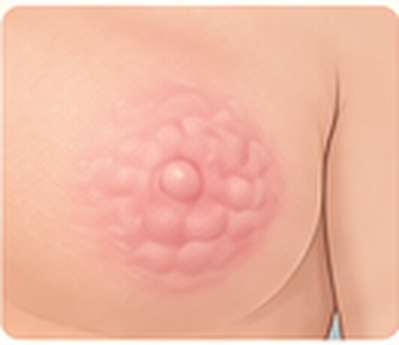
New dimpling, puckering, redness, thickening or a peau d’orange appearance.
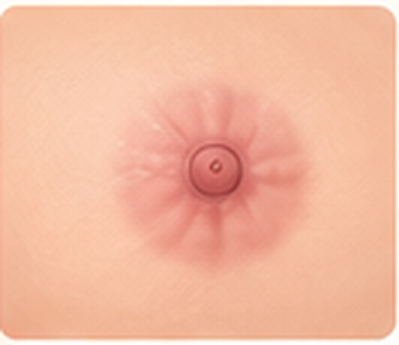
A newly pulled-in nipple, unusual discharge, crusting or a change in shape.
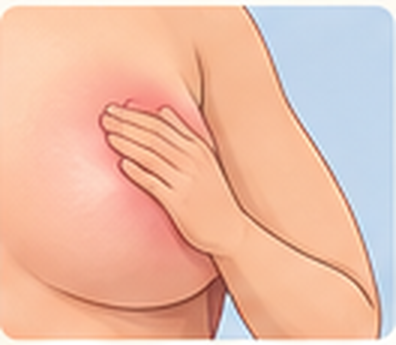
Persistent or localised pain should be assessed, especially when accompanied by another change.
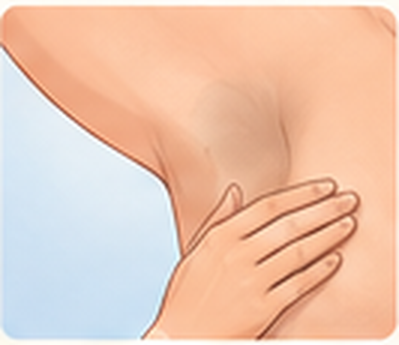
A new lump or swelling in the armpit may need clinical evaluation.
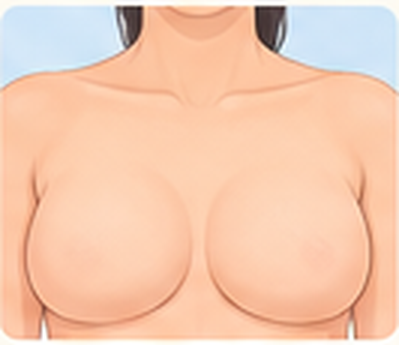
A recent change in breast size, contour or symmetry that is unusual for you.
Arrange an assessment for a new lump, nipple discharge that is unusual for you, skin or nipple changes, or a persistent unexplained change. Do not wait for pain to develop.
Understanding risk
Risk is individual. Having a risk factor does not mean you will develop breast cancer, and many people diagnosed have no obvious risk factor.

Risk generally increases with age, but breast cancer can occur in younger adults too.

Breast or ovarian cancer in close relatives may affect your risk assessment.
Some inherited changes, including BRCA1 and BRCA2, can increase risk.
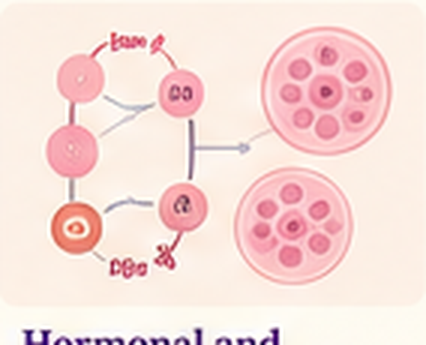
Several reproductive, hormonal and lifestyle factors can influence risk. Many people diagnosed have no obvious risk factor.
If several close relatives have had breast or ovarian cancer, or cancer occurred at a young age in your family, discuss whether a formal risk assessment or genetic counselling is appropriate.
Getting a clear diagnosis
Diagnosis usually combines clinical assessment, breast imaging and a biopsy when indicated. The exact tests depend on your symptoms, age and findings.
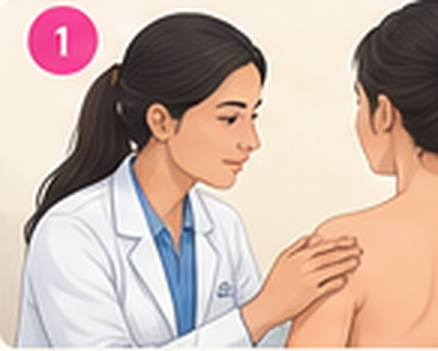
Your doctor reviews your history and examines both breasts and the nearby lymph-node areas.
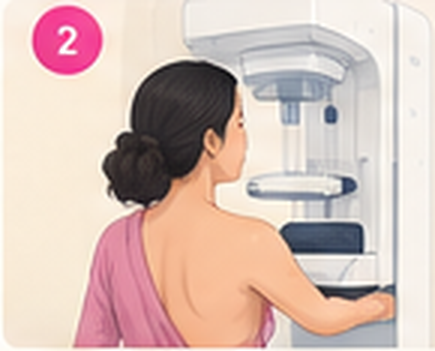
Ultrasound and/or mammography may be advised. MRI is used in selected situations.
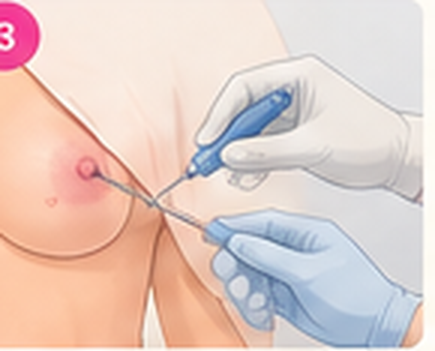
A tissue sample helps confirm whether cancer is present and identifies important tumour features.

Additional blood tests or scans are selected according to the clinical findings and confirmed diagnosis.
If cancer is confirmed, the report may include tumour type, grade and receptor markers such as ER, PR and HER2. These results help guide treatment choices alongside the stage and your overall health.
Treatment decisions
Treatment is personalised according to the stage, tumour biology, general health and your preferences. Some people need one treatment; others benefit from a combination.

Removes the tumour with a margin of surrounding tissue while preserving most of the breast. Radiotherapy is commonly part of this approach.

Removes breast tissue. It may be recommended based on the tumour, breast size, genetic risk, treatment response and personal preferences.

Reconstruction may be possible at the time of mastectomy or later. It is an individual choice and is not suitable or necessary for everyone.
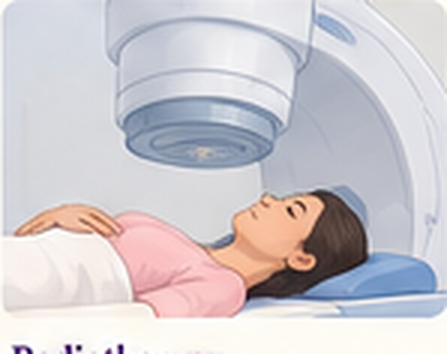
Uses focused radiation to reduce the risk of cancer returning in the treated area. Its role depends on the operation and disease features.
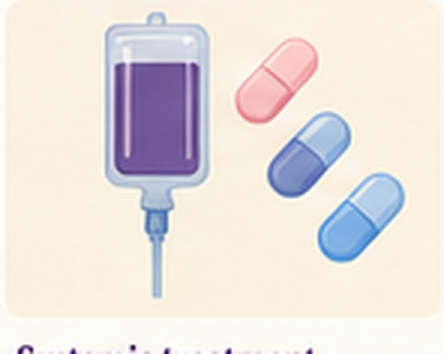
Depending on tumour biology and stage, treatment may include hormone therapy, chemotherapy, targeted therapy or immunotherapy.
It is suitable for many patients, but not all. The decision considers tumour extent, breast size, whether clear margins are achievable, radiotherapy suitability, inherited risk and your informed preference.
No. Some patients have surgery first, while others are advised to receive drug treatment before surgery. The sequence depends on the stage, subtype and treatment goals.
What happens next
This is a general overview. Your own plan and timeline may differ depending on the diagnosis and recommended treatment.
Discuss the change you noticed, your medical history and any previous reports.
Complete the examination, imaging and biopsy recommended for your situation.
Review the pathology, receptor results and any further tests needed for planning.
Understand the benefits, limitations, sequence and alternatives for your care.
Start the agreed treatment plan, which may involve one or more treatment types.
Attend follow-up visits and discuss recovery, side effects and ongoing monitoring.
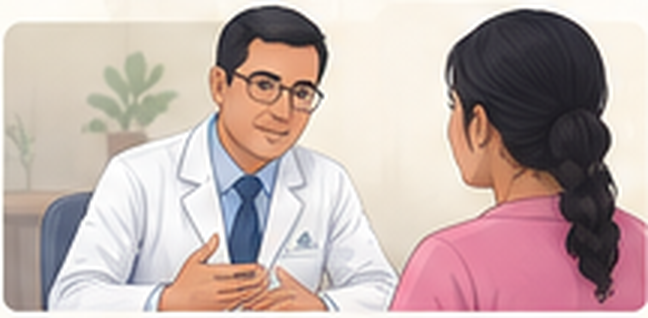
Bringing your records can help make the discussion more focused.
Surgical oncology consultation
Dr. Abhishek Kumar Verma (MCh), Surgical Oncologist, can help assess your reports, explain the role of surgery and discuss how surgical decisions fit into the wider treatment plan.
Treatment recommendations are made after reviewing your individual diagnosis and clinical findings.
Common questions
General answers to questions patients often raise during consultation.
No. Many breast lumps are benign, but a new or changing lump should be assessed by a qualified clinician rather than judged by touch alone.
No. For many patients, breast-conserving surgery is an option. The suitable operation depends on the extent and location of disease, breast size, tumour biology, genetic risk and patient preference.
Not everyone does. Some patients have surgery first; others may benefit from treatment before surgery. The sequence depends on the cancer subtype, stage and treatment goals.
Yes. A second opinion can help you understand the diagnosis, treatment sequence and available surgical options. Bring your pathology, imaging and treatment records.
Take the next step
Arrange a consultation or seek a second opinion before making treatment decisions.
Medical information on this page is for education and does not substitute for examination, diagnosis or personalised medical advice. If you notice a new or concerning breast change, seek assessment from a qualified healthcare professional.