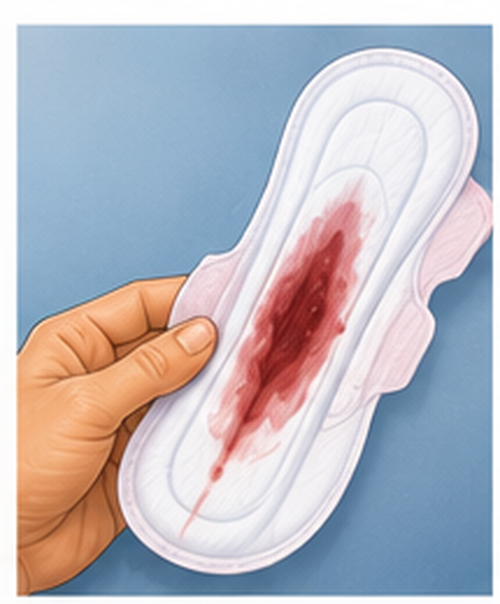
Abnormal vaginal bleeding
Bleeding after menopause, between periods, or unusually heavy or prolonged periods.
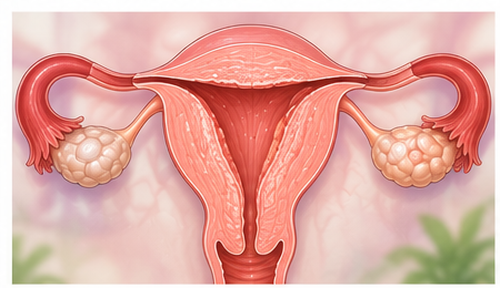
Uterine cancer often begins in the inner lining of the uterus, called the endometrium. Abnormal bleeding—especially after menopause—is an important symptom that should be assessed rather than ignored.
Educational information only. Your diagnosis and treatment plan require individual medical assessment.
Use these sections to understand the next steps, prepare questions and discuss your options with your doctor.
This checklist is for guidance. You do not need to complete every step before seeking medical advice.
Recognise warning signs
Abnormal bleeding is the most important symptom to recognise. Symptoms can have non-cancerous causes, but persistent or unexpected changes need assessment.
Bleeding after menopause, between periods, or unusually heavy or prolonged periods.

Persistent discomfort, pressure, or pain in the lower abdomen or pelvis.

Ongoing tiredness, which may sometimes be related to prolonged blood loss or other causes.

Persistent discomfort may occur, though it is not specific to uterine cancer.
Risk factors
Risk factors do not mean that cancer will develop. They help clinicians understand personal risk and decide what assessment may be needed.

Uterine cancer is more common after menopause, although it can occur earlier.

Excess body fat can affect hormone levels and is associated with increased endometrial cancer risk.
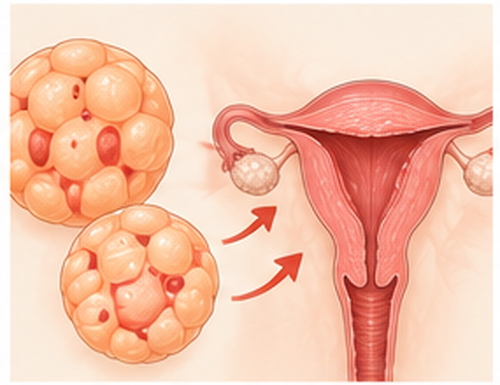
Long-term exposure to oestrogen without enough progesterone can increase risk in some circumstances.

Lynch syndrome and some family histories can increase risk and may warrant specialist assessment.
Diabetes and related metabolic factors may be associated with higher risk.

Tamoxifen use and some other medical or reproductive-history factors may affect risk; discuss your history with a clinician.
Diagnosis
Tests are selected based on symptoms, examination findings, medical history, and the suspected cause of bleeding.
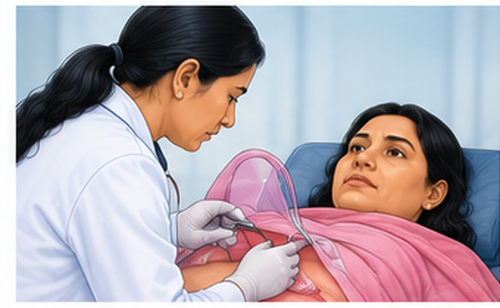
Your clinician reviews bleeding patterns, medical history, and relevant examination findings.
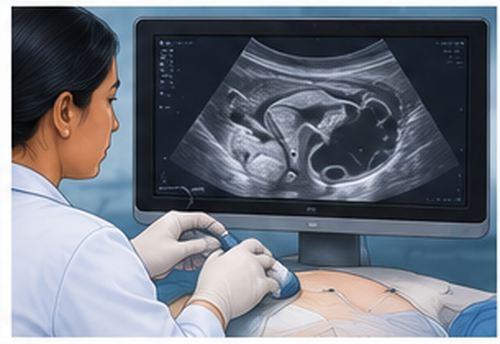
Ultrasound can assess the uterus and the thickness and appearance of the endometrium.

A sample of the uterine lining is commonly needed to confirm or exclude endometrial cancer.

Additional imaging may help assess local extent and plan treatment when indicated.
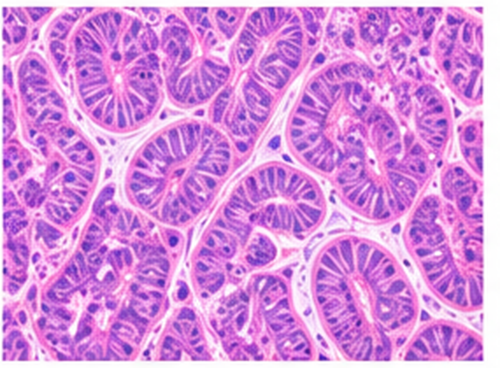
The tissue report identifies the cancer type and features that help guide treatment.
Treatment
Treatment depends on whether the cancer is endometrial cancer or another uterine cancer, the pathology findings, stage, tumour markers, overall health, and individual goals.

For many endometrial cancers, hysterectomy is central to treatment and may include removal of the fallopian tubes and ovaries. Lymph-node assessment depends on the risk profile.
Radiotherapy may be recommended after surgery or as a primary treatment in selected situations, depending on the tumour type, stage, and surgical fitness.

May be recommended for higher-risk disease, advanced cancer, recurrence, or specific uterine cancer subtypes.

May be considered for selected hormone-sensitive endometrial cancers, including certain cases where fertility preservation is being evaluated by specialists.
Some patients may be eligible for targeted medicines based on tumour characteristics and biomarker testing.

May be appropriate for selected advanced or recurrent cancers depending on pathology, biomarkers, prior treatment, and current clinical guidance.
Your care pathway
Your care team will explain each step and adapt the sequence to your needs.
Review symptoms, history, examination, and prior reports.
Arrange biopsy or other tests needed to understand the cause.
Discuss pathology, stage, treatment choices, benefits, and risks.
Review recovery, final pathology, additional treatment, and surveillance.
Common questions
Answers to common questions from patients and families.
Take the next step
Arrange a consultation or seek a second opinion to discuss your treatment plan.
This page is for education and does not substitute for examination, diagnosis or personalised medical advice. Please discuss persistent or concerning symptoms with a qualified clinician.