
Change in bowel habits
Persistent diarrhoea, constipation or a change in your usual bowel pattern.
Patient Guide · Colon and Rectal Cancer
Practical information to help you recognise symptoms, understand diagnosis and discuss treatment decisions with your doctor.
This guide supports informed conversations with your doctor. It does not replace an individual medical assessment.

Use these sections to understand possible next steps, prepare questions and discuss your options with your doctor.
Recognise persistent bowel changes and other symptoms.
Learn about colonoscopy, biopsy and staging.
Understand surgery and other treatment options.
Know what to bring and which questions to ask.
What to look for
Symptoms may have several causes. Persistent, recurrent or unexplained changes should be assessed.
Persistent diarrhoea, constipation or a change in your usual bowel pattern.
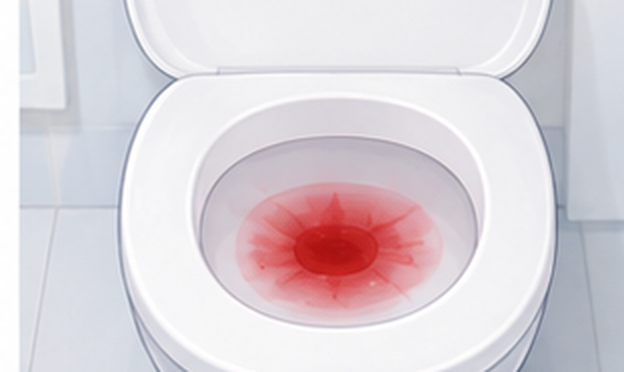
Red blood in the stool or black, tarry stool should be assessed. Bleeding has several possible causes.

Ongoing cramps, bloating or a feeling of fullness in the abdomen.

Losing weight without trying, particularly with changes in bowel habits or appetite.

Ongoing fatigue may occur, sometimes due to anaemia from slow blood loss.
A sustained change in stool form or difficulty emptying the bowel needs assessment, though it is not specific to cancer.
Arrange assessment for rectal bleeding, persistent bowel-habit changes, unexplained anaemia or weight loss. Heavy bleeding, fainting, severe abdominal pain, repeated vomiting or inability to pass stool or gas with abdominal swelling may require urgent medical care.
Understanding risk
Risk factors influence probability but cannot determine whether an individual has cancer.

Risk generally increases with age, although colorectal cancer can also occur in younger adults.
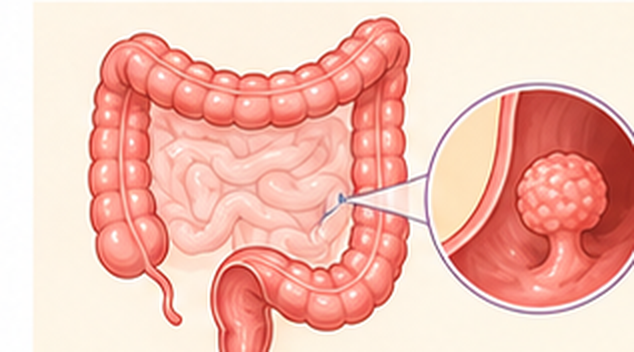
Some colorectal polyps can develop into cancer over time. Finding and removing precancerous polyps can reduce risk.

A close relative with colorectal cancer or advanced polyps may increase your risk.
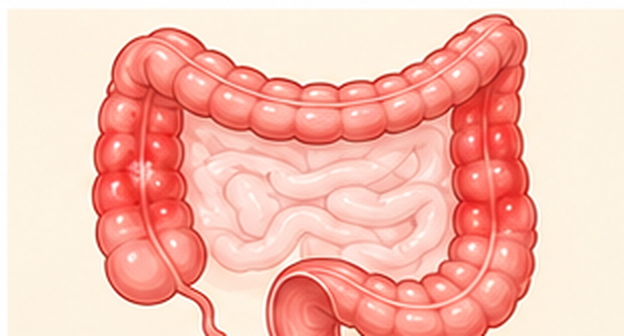
Long-standing ulcerative colitis or Crohn's colitis can increase risk in some patients.

Risk is associated with factors such as processed meat intake, low physical activity, excess body weight and smoking.
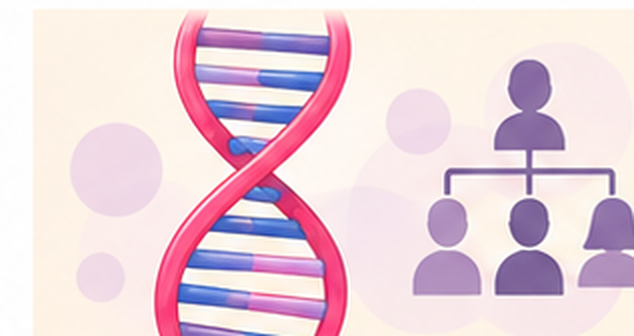
Conditions such as Lynch syndrome and familial adenomatous polyposis can substantially increase risk.
If you have a strong family history, a known inherited syndrome or inflammatory bowel disease, ask your clinician whether you need an individual surveillance plan.
Getting a clear diagnosis
Colonoscopy and biopsy are central to diagnosis. Imaging helps determine the extent of disease and plan treatment.

Your doctor reviews symptoms, family history, medicines, abdominal findings and general health.
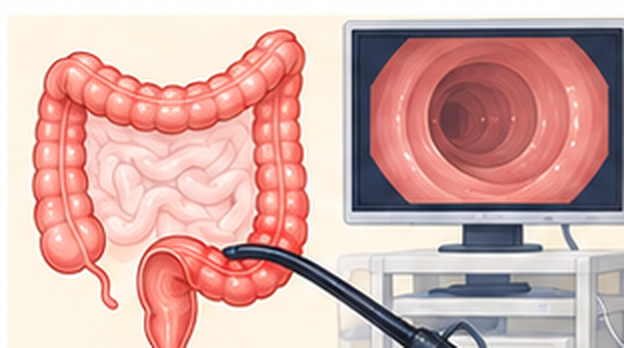
A flexible camera examines the colon and rectum. Polyps can often be removed and suspicious areas sampled.

Tissue is examined to confirm cancer and identify important tumour features.
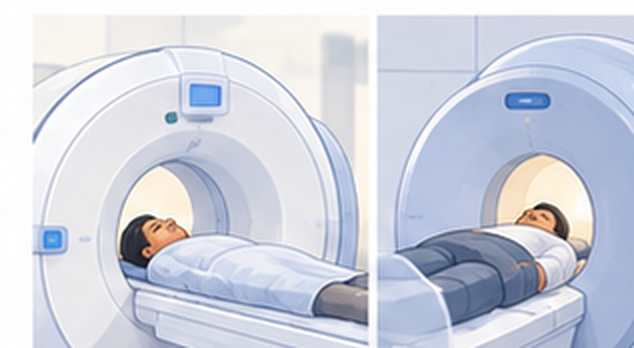
CT scans and, for rectal cancer, pelvic MRI are commonly used to assess extent and guide treatment planning.
Colon and rectal cancers can need different treatment sequences. Pelvic MRI is often important in rectal cancer planning, while colon cancer staging commonly relies on CT and pathology. Your team uses these findings to discuss the most appropriate plan.
Treatment decisions
Treatment depends on tumour location, stage, pathology, molecular features and your overall health.
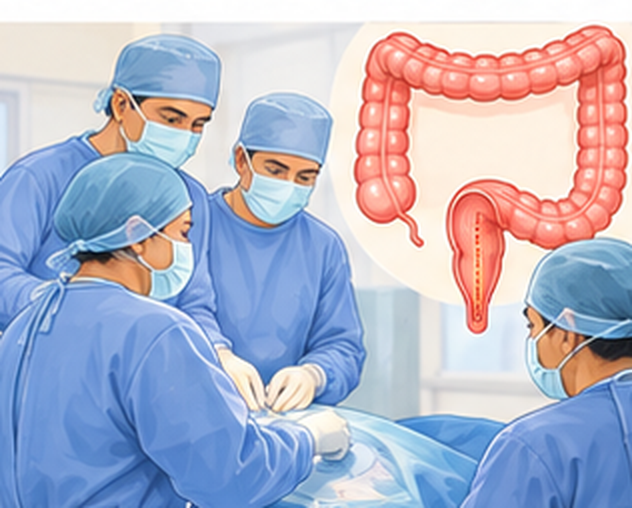
The operation depends on tumour location. It may involve removing a segment of colon or performing a rectal cancer operation, with lymph-node assessment.
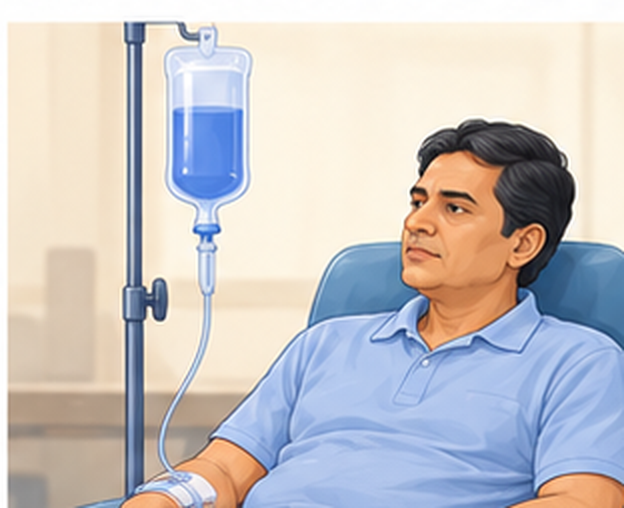
May be recommended before or after surgery, or for cancer that has spread, depending on stage and tumour features.

Used particularly in selected rectal cancers, often with chemotherapy before surgery or as part of a tailored plan.

For selected advanced cancers, treatment may be guided by tumour markers and molecular testing.
May be suitable for certain colorectal cancers, particularly some with mismatch-repair deficiency or high microsatellite instability.
Not everyone needs a stoma. If recommended, it may be temporary or permanent depending on the operation, tumour location, healing and individual factors. Discuss this possibility with your surgeon before surgery.
For selected cancers, testing for markers such as mismatch-repair status and other molecular changes can help guide treatment choices, particularly when disease is advanced.
What happens next
This is a general overview. The sequence depends on whether the cancer is in the colon or rectum and on its stage.
Discuss symptoms, duration, bowel changes, family history and previous reports.
Colonoscopy and biopsy help establish the diagnosis.
Scans and pathology guide the plan. Rectal cancer may need pelvic MRI.
The team considers surgery, systemic treatment, radiotherapy where appropriate and treatment sequence.
Care may include bowel function support, nutrition, stoma education if relevant and recovery planning.
Follow-up may include clinical review, blood tests, scans and colonoscopy according to the care plan.
Bring your reports and note any changes in symptoms over time.
Surgical oncology consultation
Dr. Abhishek Kumar Verma (MCh), Surgical Oncologist, can review your reports, explain surgical options and discuss how surgery fits into your overall treatment pathway.
Recommendations are made after reviewing your individual diagnosis and clinical findings.
Common questions
Select a question to read the answer.
Take the next step
Arrange a consultation or seek a second opinion to discuss your treatment plan.
This page is for education and does not substitute for examination, diagnosis or personalised medical advice. Rectal bleeding, persistent bowel changes or unexplained weight loss should be assessed by a qualified clinician.