
Persistent bloating
Bloating that is frequent, new, or does not settle.
Ovarian cancer can be difficult to recognise because its symptoms may resemble common digestive or urinary problems. Understanding persistent changes and getting the right assessment can help you make informed decisions.
This guide is for education and does not replace an individual medical assessment.

Use these sections to understand the next steps, prepare questions and discuss your options with your doctor.
This checklist is for guidance. You do not need to complete every step before seeking medical advice.
Recognise changes
Symptoms are often non-specific. What matters is a new or persistent change from your usual pattern, especially if it occurs frequently.
Bloating that is frequent, new, or does not settle.

Pain, pressure, or discomfort in the lower abdomen or pelvis.

Getting full after eating only a small amount or having reduced appetite.

Needing to pass urine more often, constipation, or a change from your usual pattern.
Understand risk
Risk factors can change the likelihood of ovarian cancer, but they cannot predict an individual's diagnosis.

A family history of ovarian or breast cancer, or inherited changes such as BRCA1/BRCA2, may increase risk.

Risk generally increases with age, particularly after menopause.
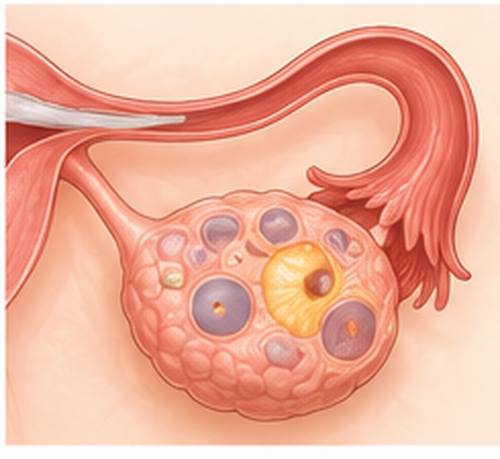
Some reproductive, hormonal, and personal-history factors may influence risk; discuss your individual history with a clinician.
Assessment
The investigation is guided by symptoms, examination, age, medical history, and the findings on imaging.

A clinician reviews symptoms and history and performs an examination when appropriate.
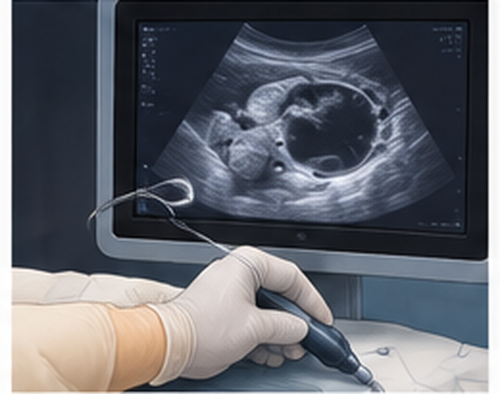
Ultrasound helps assess the ovaries and any pelvic mass or cyst.
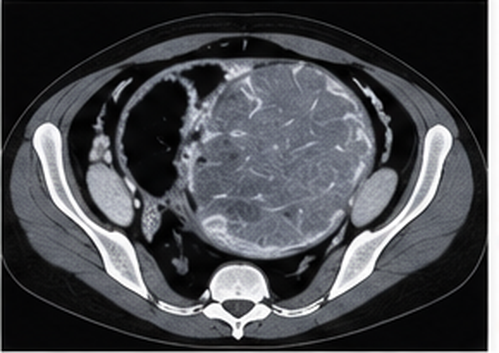
Further imaging may help assess the extent of disease and plan treatment.
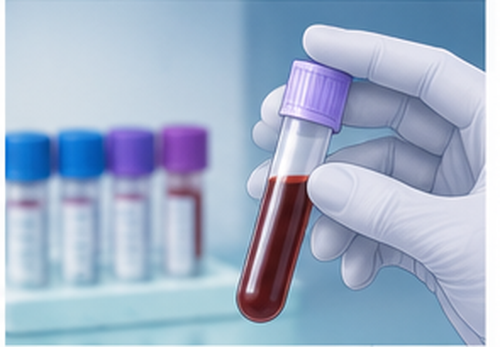
CA-125 and other tests may support assessment, but results must be interpreted in context.

Pathology confirms the type of cancer. The safest and most appropriate way to obtain tissue depends on the clinical situation.
Treatment planning
Treatment depends on the cancer subtype and stage, whether surgery can safely remove the disease, test results, general health, and the patient's preferences.
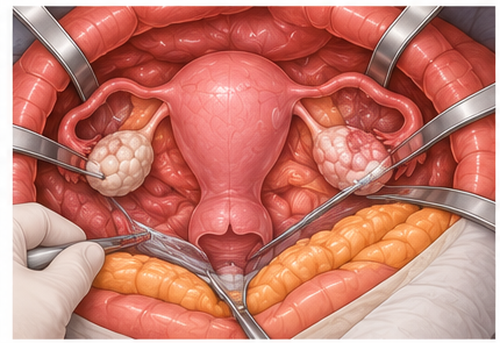
May remove the affected ovary or ovaries and visible disease. The extent of surgery depends on stage, fertility goals, and whether complete safe removal is feasible.
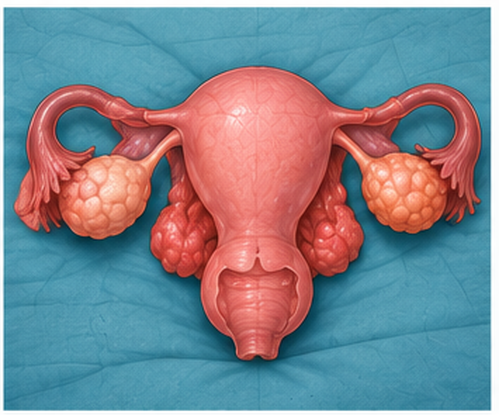
Often used before or after surgery, or as initial treatment in selected situations. The regimen and timing depend on the cancer type and treatment plan.

Selected patients may benefit from targeted medicines or maintenance therapy, guided by tumour or inherited genetic testing and clinical suitability.
Your care pathway
Your team will explain each step and why it is needed. The order may differ from person to person.
Review symptoms, history, examination findings, and existing reports.
Complete the appropriate scans, blood tests, and tissue assessment.
Discuss diagnosis, stage, options, expected benefits, and risks.
Review recovery, pathology, treatment response, and ongoing care needs.
Common questions
Clear answers to questions patients and families often ask.
Take the next step
Arrange a consultation or seek a second opinion to discuss your treatment plan.
This page is for education and does not substitute for examination, diagnosis or personalised medical advice. Please discuss persistent or concerning symptoms with a qualified clinician.