
Difficulty swallowing
Food feels stuck or swallowing becomes progressively more difficult, often starting with solid food.
Patient Guide · Esophageal Cancer
Clear, practical information to help you recognise symptoms, understand diagnosis and discuss treatment decisions with your doctor.
This guide supports informed conversations with your doctor. It does not replace an individual medical assessment.
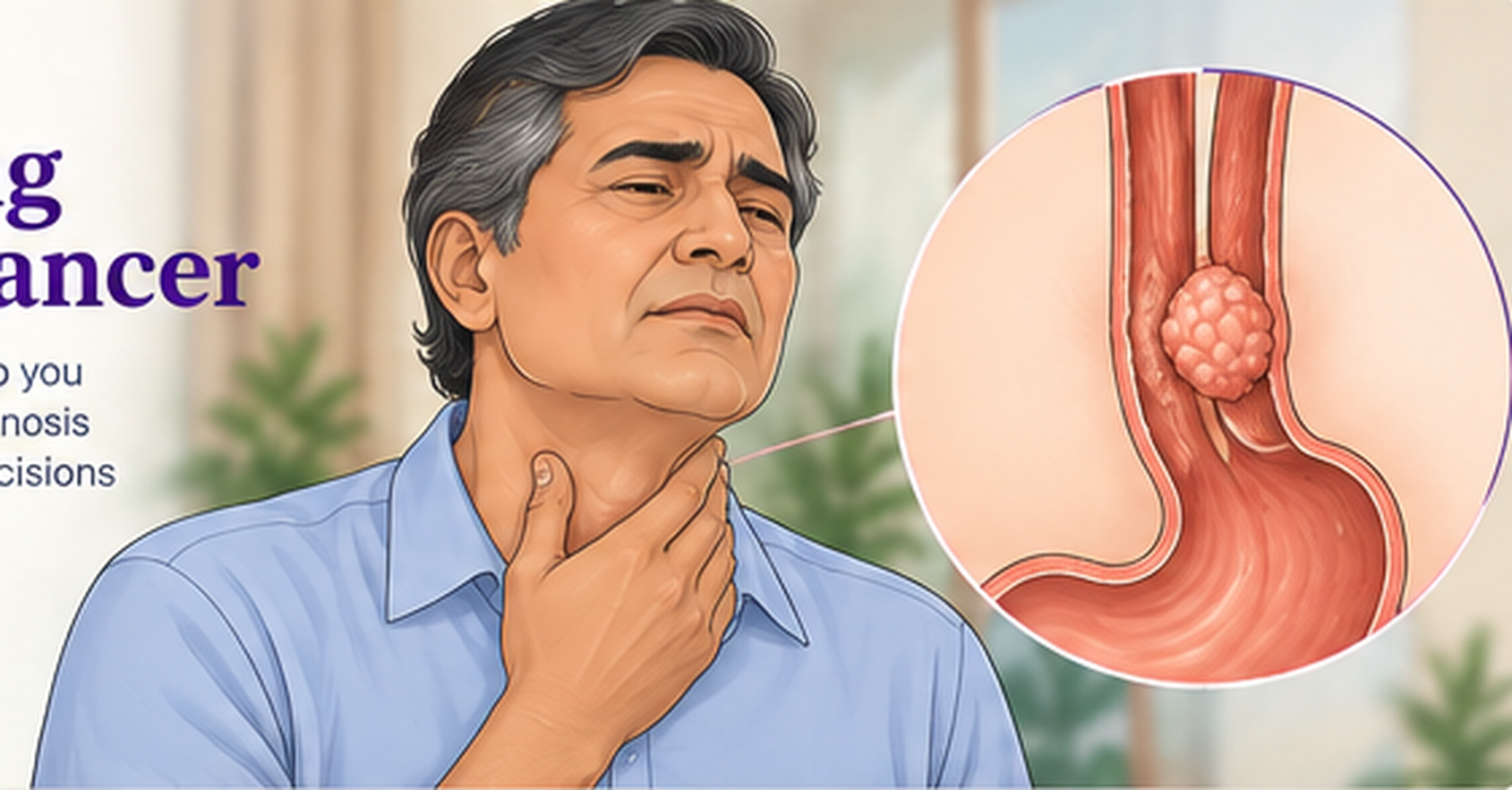
Use these sections to understand possible next steps, prepare questions and discuss your options with your doctor.
Know which persistent swallowing or digestive symptoms need assessment.
Learn about endoscopy, biopsy and staging tests.
Understand surgery and other treatments that may be recommended.
Know what to bring and which questions to ask.
What to look for
These symptoms can have other causes, but persistent or progressive changes should be medically assessed.
Food feels stuck or swallowing becomes progressively more difficult, often starting with solid food.

Persistent pain, pressure or discomfort behind the breastbone, especially when swallowing.

Weight loss without trying, sometimes related to reduced food intake.

Ongoing heartburn or indigestion that is new, worsening or not improving as expected.
A cough, voice change or choking episodes that persist and need clinical assessment.
Food or fluid coming back up, or repeated vomiting after meals.
Progressive difficulty swallowing, painful swallowing, unexplained weight loss, repeated vomiting or blood in vomit needs prompt assessment. Inability to swallow liquids or saliva, severe breathing difficulty or significant bleeding requires urgent medical care.
Understanding risk
Risk factors differ by cancer type and do not determine an individual's outcome.
Smoking and chewing tobacco are associated with increased risk of esophageal cancer.

Regular heavy alcohol use increases risk, particularly in combination with tobacco.
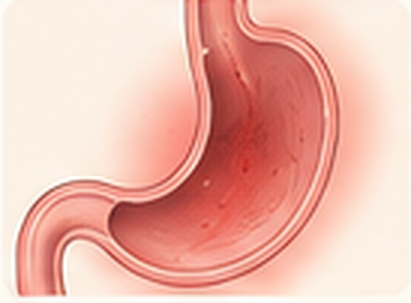
Chronic reflux and Barrett's esophagus are associated with some types of esophageal cancer.

Risk varies with age, nutrition, body weight and the specific cancer type. Many cases occur without a single clear cause.
Risk factors are not a diagnosis. Persistent swallowing difficulty should be evaluated even if you do not have recognised risk factors.
Getting a clear diagnosis
Endoscopy with biopsy is central to diagnosis. Imaging and other tests help determine the extent of disease and plan treatment.

Your doctor reviews swallowing symptoms, weight changes, nutrition, medical history and general health.
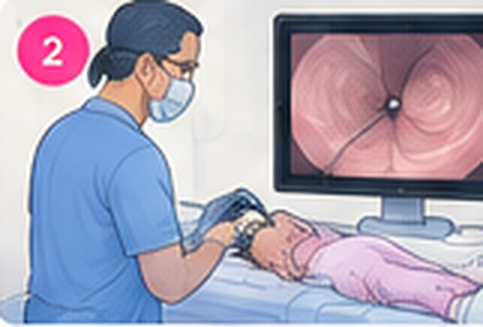
A flexible camera examines the esophagus and allows suspicious areas to be sampled.
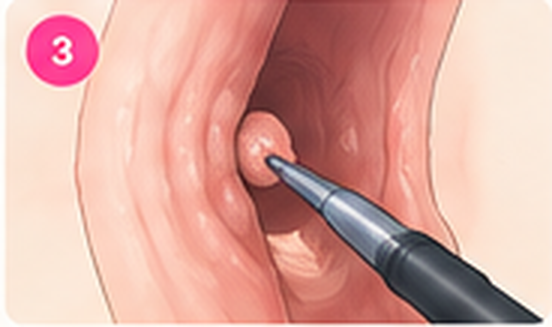
Tissue is examined to confirm the diagnosis and identify the cancer type.
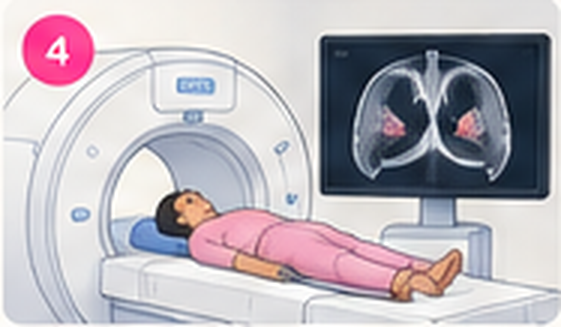
CT, PET-CT or endoscopic ultrasound may be used to assess the extent of disease and guide treatment planning.
The tumour's location, depth, lymph-node involvement, spread and the person's general fitness help determine whether treatment should begin with surgery, combined chemotherapy and radiotherapy, or another approach.
Treatment decisions
The recommended plan depends on the stage, tumour location, cancer type, fitness for treatment and the goals of care.

For selected patients, surgery removes the affected part of the esophagus, usually with reconstruction using the stomach or, in selected cases, another segment of bowel.
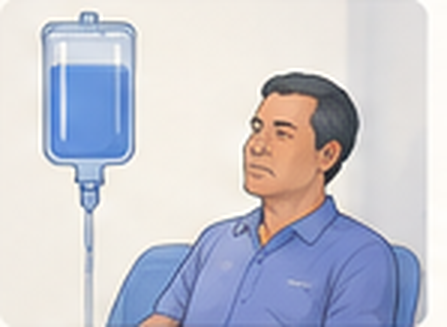
May be given before surgery, after surgery or as part of treatment for disease that cannot be removed surgically.
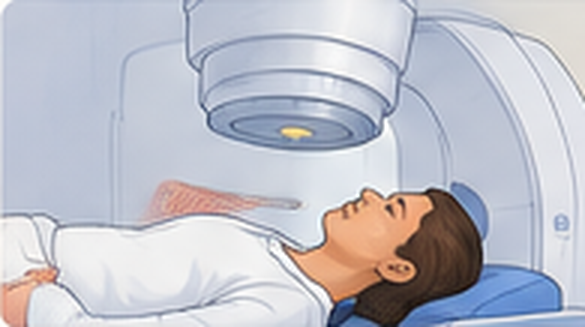
May be combined with chemotherapy, used before surgery in selected cases, or offered when surgery is not appropriate.
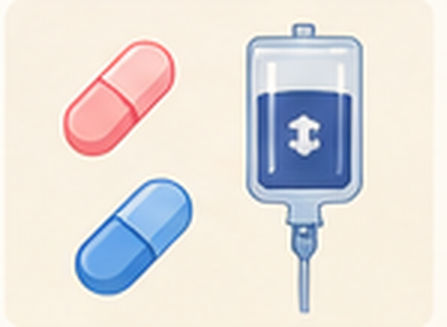
For selected patients, treatment may be guided by tumour markers, disease setting and current clinical recommendations.
No. Some patients may be offered surgery as part of combined treatment. Others may be treated with chemotherapy and radiotherapy or a different plan, depending on stage and fitness.
A dietitian or care team may help with food texture, high-energy nutrition, supplements or other support if swallowing difficulty affects intake.
What happens next
This is a general overview. Your individual pathway may differ according to diagnosis and treatment recommendations.
Discuss swallowing symptoms, weight changes, nutrition and previous reports.
Endoscopy and biopsy are used to establish what the abnormal area is.
Scans and other tests help determine the extent of disease and fitness for treatment.
The team reviews surgery, chemotherapy, radiotherapy and the appropriate sequence.
Treatment may be combined with nutritional support and symptom management.
Follow-up supports recovery, nutrition, monitoring and management of side effects.

Bring your reports and note the symptoms that have changed over time.
Surgical oncology consultation
Dr. Abhishek Kumar Verma (MCh), Surgical Oncologist, can review your reports, explain the role of surgery and discuss how the surgical plan fits into your overall treatment pathway.
Recommendations are made after reviewing your diagnosis and clinical findings.
Common questions
General answers to questions patients often raise during consultation.
No. Several conditions can cause swallowing difficulty. However, progressive or persistent difficulty swallowing needs prompt medical assessment, particularly with weight loss or pain.
No. Treatment depends on the stage, location, cancer type, overall health and treatment goals. Some patients are treated with combined chemotherapy and radiotherapy, while others may be considered for surgery as part of a combined plan.
Swallowing problems can reduce food and fluid intake. A team may recommend nutritional assessment, supplements or other support to help maintain strength during treatment.
Bring endoscopy and biopsy reports, scan images and reports, previous treatment details, current medicines and any nutrition-related assessments.
Take the next step
Arrange a consultation or seek a second opinion to discuss your treatment plan.
This page is for education and does not substitute for examination, diagnosis or personalised medical advice. Persistent or progressive swallowing difficulty should be assessed promptly.