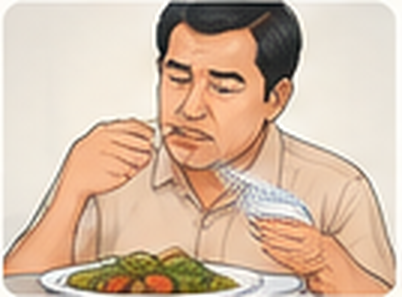
Feeling full quickly
Feeling full after eating only a small amount, especially when this is new or persistent.
Patient Guide · Stomach Cancer
Clear, practical information to help you recognise symptoms, understand diagnosis and discuss treatment decisions with your doctor.
This guide supports informed conversations with your doctor. It does not replace an individual medical assessment.
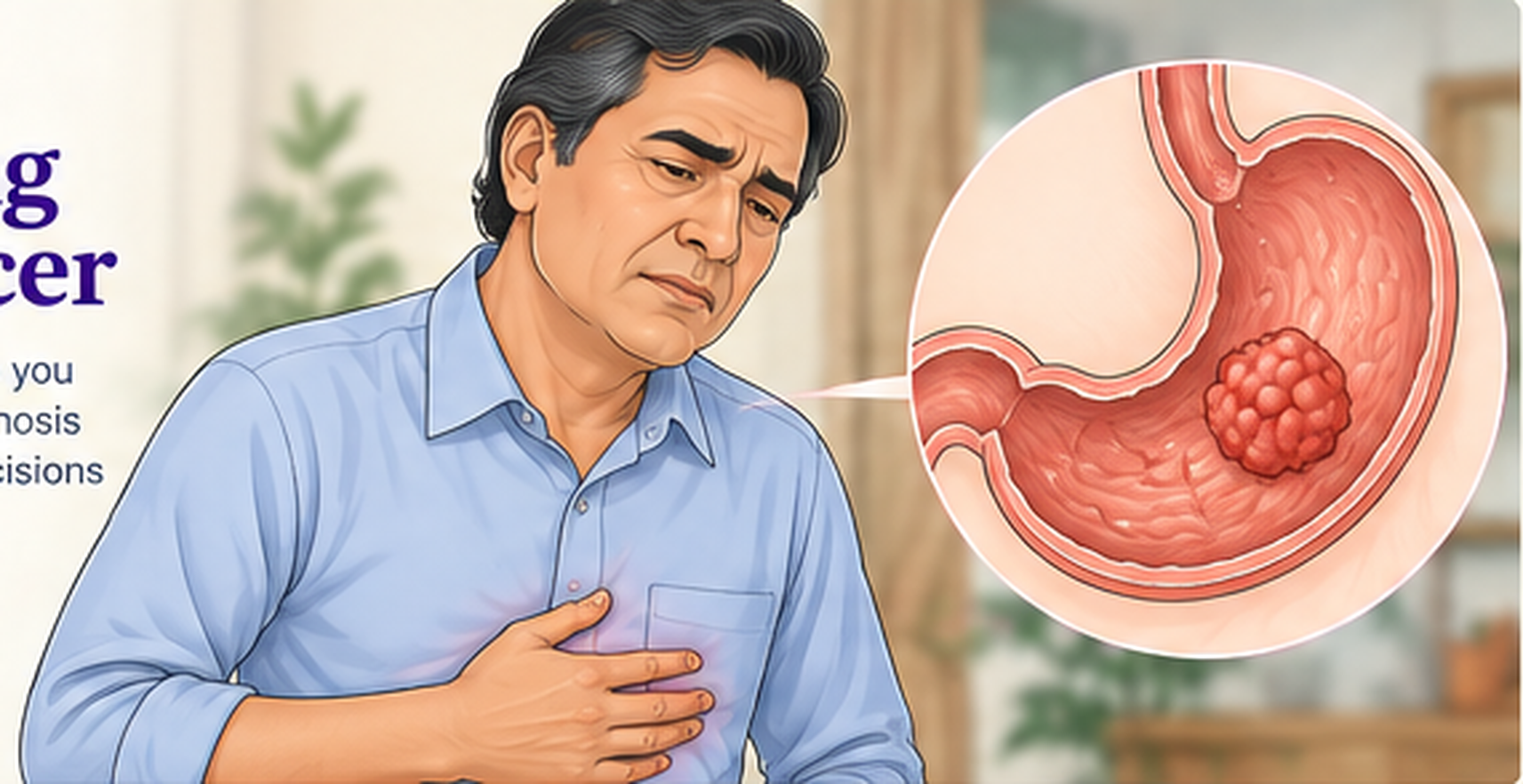
Use these sections to understand possible next steps, prepare questions and discuss your options with your doctor.
Know which persistent stomach symptoms need assessment.
Learn about endoscopy, biopsy and staging investigations.
Understand surgery, medicines and supportive care.
Know what to bring and which questions to ask.
What to look for
These symptoms often have non-cancerous causes, but persistent, worsening or unexplained changes should be assessed.
Feeling full after eating only a small amount, especially when this is new or persistent.

Persistent pain, pressure or discomfort in the upper abdomen.

Ongoing nausea, repeated vomiting or vomiting after meals.

Losing weight without trying, particularly with reduced food intake.
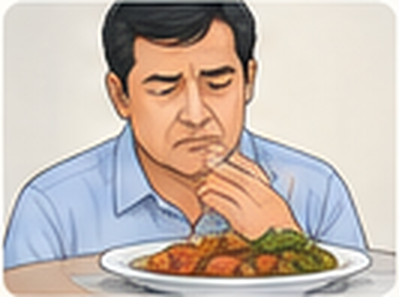
Reduced interest in food or difficulty maintaining usual meals.

Vomiting blood or black, tarry stools may indicate bleeding and require urgent medical assessment.
Arrange an assessment for persistent upper abdominal symptoms, unexplained weight loss, repeated vomiting or difficulty eating. Vomiting blood, black tarry stools, fainting or severe weakness may indicate bleeding and require urgent medical care.
Understanding risk
Risk is influenced by several factors. Having a risk factor does not mean cancer will develop.

Long-standing Helicobacter pylori infection is associated with an increased risk of some stomach cancers.

A diet high in salt-preserved or heavily processed foods may increase risk; a varied diet supports overall health.

Tobacco smoking is a recognised risk factor. Alcohol may contribute to risk and overall health concerns.

A close relative with stomach cancer or certain inherited conditions may affect risk.
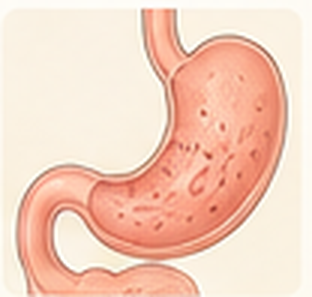
Some chronic stomach conditions and precancerous changes can increase risk.
If you have a history of H. pylori infection, a strong family history or a known stomach condition, discuss appropriate assessment and follow-up with your doctor.
Getting a clear diagnosis
Upper GI endoscopy with biopsy is central to diagnosis. Further tests help assess the extent of disease and plan treatment.

Your doctor reviews symptoms, weight changes, nutrition, medical history and general health.

A flexible camera examines the stomach lining and allows suspicious areas to be sampled.
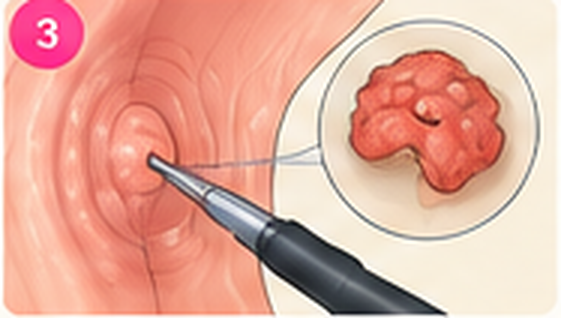
Tissue samples are examined to confirm the diagnosis and identify the cancer type.
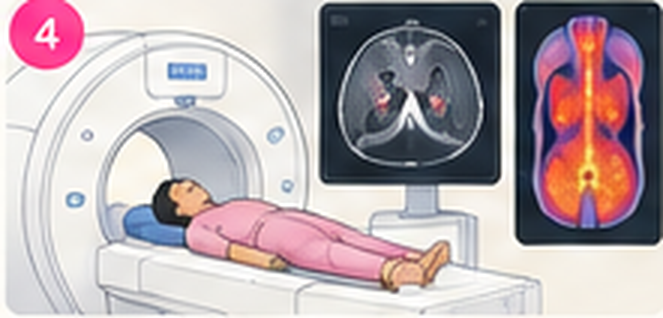
CT and, in selected cases, PET-CT or endoscopic ultrasound help assess the extent of disease.
The biopsy confirms the cancer type. Imaging and selected tests help assess the tumour's extent, lymph nodes and any spread. These findings guide the treatment sequence and surgical planning.
Treatment decisions
The plan depends on tumour location, stage, pathology, overall health and the goals of treatment.
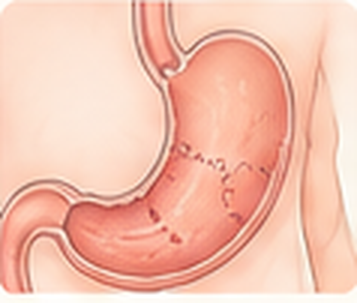
Depending on tumour location and extent, treatment may involve removing part or all of the stomach and nearby lymph nodes.

May be recommended before and/or after surgery, or for disease that cannot be removed surgically.

Used in selected situations based on tumour features, treatment plan and symptom needs.
For selected cancers, tumour biomarkers may identify treatments that target specific pathways.
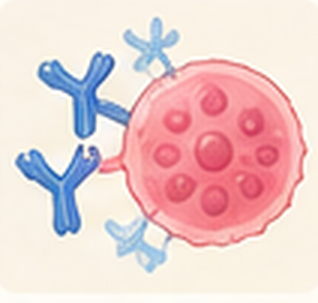
May be appropriate for some patients depending on tumour markers, stage and current treatment guidance.
No. The extent of surgery depends on tumour location and spread, the ability to achieve appropriate margins and the planned lymph-node treatment. Some patients are not suitable for surgery.
Appetite loss and early fullness can affect nutrition. An individual plan may include dietary changes, supplements or specialist support before and after treatment.
What happens next
This is a general overview. Your own plan and timeline depend on the diagnosis and recommended treatment.
Discuss symptoms, weight changes, appetite and any previous reports.
Endoscopy and biopsy establish the diagnosis when indicated.
Scans and selected tests help assess the extent of disease.
Review surgery, medicines and other treatments in the recommended sequence.
Nutrition support and symptom management can be important throughout care.
Follow-up monitors recovery, nutrition, symptoms and possible recurrence.

Bring your reports and note any changes in symptoms, appetite or weight.
Surgical oncology consultation
Dr. Abhishek Kumar Verma (MCh), Surgical Oncologist, can review your reports, explain the role of surgery and discuss how surgical decisions fit into the overall treatment plan.
Recommendations are made after reviewing your individual diagnosis and clinical findings.
Common questions
General answers to questions patients often raise during consultation.
No. Indigestion is common and usually has non-cancerous causes. Persistent, worsening or unexplained symptoms—especially with weight loss, vomiting, difficulty eating or bleeding—should be assessed.
Upper gastrointestinal endoscopy allows the doctor to inspect the stomach and take biopsies. Pathology examination of the tissue confirms the diagnosis.
No. The operation depends on the tumour's location, extent and the ability to remove it safely with appropriate margins and lymph-node treatment.
Stomach cancer and its treatment can affect appetite, intake and digestion. Nutritional assessment and an individual eating plan may help support treatment and recovery.
Take the next step
Arrange a consultation or seek a second opinion to discuss your treatment plan.
This page is for education and does not substitute for examination, diagnosis or personalised medical advice. Persistent or worsening symptoms, especially unexplained weight loss or signs of bleeding, should be assessed by a qualified clinician.