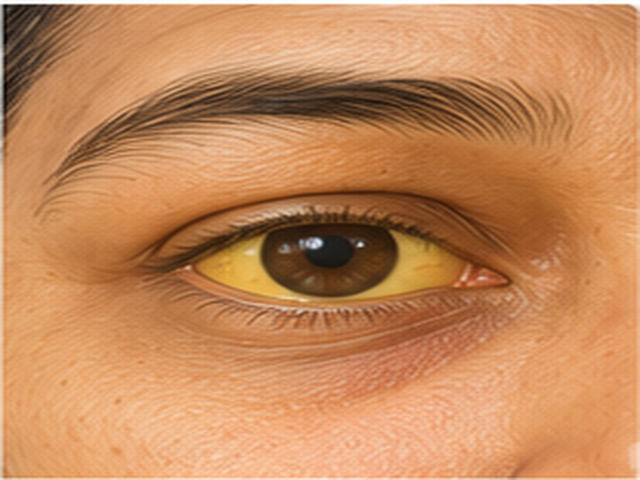
Jaundice
Yellowing of the eyes or skin, sometimes with dark urine or pale stools.
Patient Guide · Pancreatic Cancer
Practical information to help you recognise symptoms, understand diagnosis and discuss treatment decisions with your doctor.
This guide supports informed conversations with your doctor. It does not replace an individual medical assessment.

Use these sections to understand possible next steps, prepare questions and discuss your options with your doctor.
Recognise symptoms that need assessment.
Learn about imaging, EUS and biopsy.
Understand surgery and chemotherapy.
Know what to bring and what to ask.
What to look for
Symptoms can have many causes. Persistent or unexplained symptoms should be assessed.
Yellowing of the eyes or skin, sometimes with dark urine or pale stools.

Persistent pain in the upper abdomen that may spread to the back.
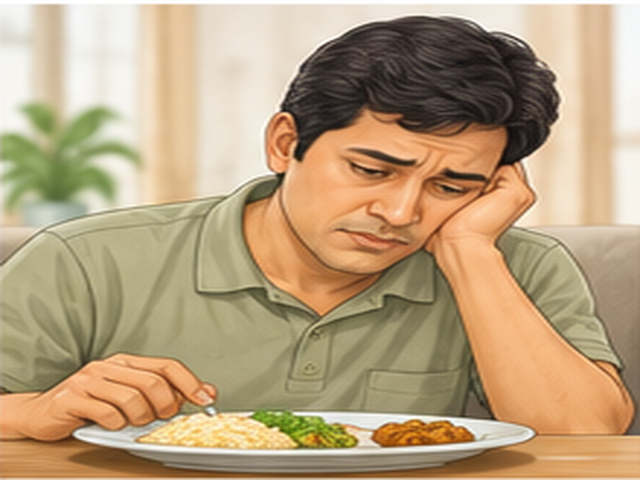
Feeling full quickly or eating less than usual.
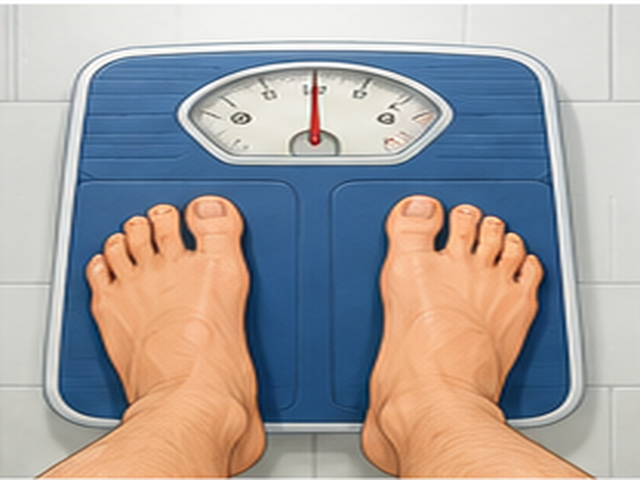
Losing weight without trying, particularly with reduced appetite.
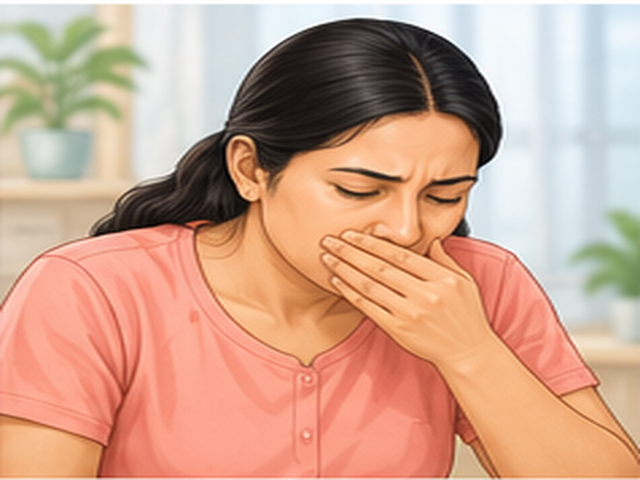
Ongoing nausea or vomiting, especially after meals.

Fatigue and weakness, which may be related to poor nutrition or illness.
Seek prompt assessment for jaundice, persistent upper abdominal or back pain, unexplained weight loss or ongoing vomiting. Severe pain, fever with jaundice, confusion or rapidly worsening symptoms require urgent medical care.
Understanding risk
Risk factors do not determine whether an individual will develop cancer.
Risk generally rises with age, though pancreatic cancer can occur in younger adults.

Smoking is an established risk factor. Stopping smoking has important health benefits.
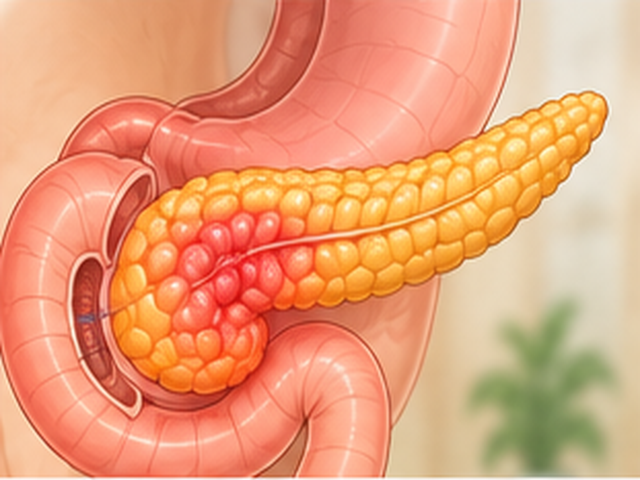
Long-standing inflammation of the pancreas can increase risk.

A close family history or certain inherited gene changes may increase risk.
Getting a clear diagnosis
The choice of tests depends on symptoms, imaging findings and the suspected extent of disease.

Your doctor reviews symptoms, medical history, examination findings and general health.
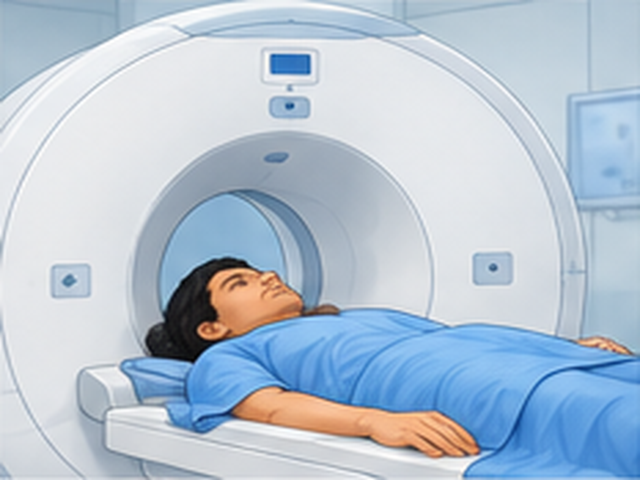
Cross-sectional imaging helps assess the pancreas, blood vessels and possible spread.
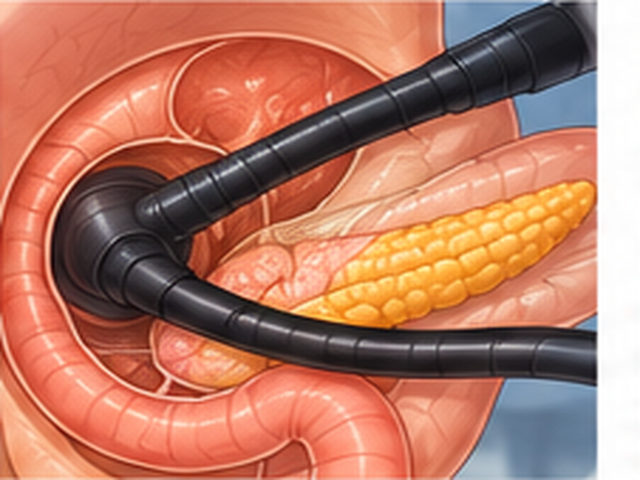
EUS provides detailed images and can help obtain a tissue sample when needed.
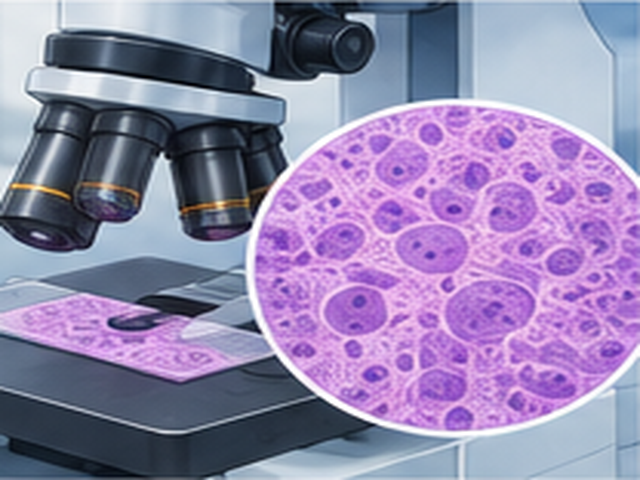
A tissue sample may be needed to confirm the diagnosis, particularly before non-surgical treatment.
Treatment decisions
Treatment depends on tumour location, stage, whether it can be removed and your overall health.

For selected patients with localised, removable cancer, an operation may offer the possibility of complete removal. The procedure depends on tumour location and fitness for surgery.

May be recommended before or after surgery, or for cancer that cannot be removed or has spread. The regimen depends on stage and overall health.
Other treatments may be considered in selected cases depending on tumour type and stage. Your specialist team will explain the options relevant to your diagnosis.
What happens next
Your exact pathway depends on the stage of disease and your individual clinical findings.
Discuss symptoms, medical history, medicines and previous reports.
CT or MRI and selected blood tests help assess the pancreas and surrounding structures.
EUS and biopsy may be advised when needed to guide treatment.
The team considers whether surgery is possible and how chemotherapy may fit into the plan.
Nutrition, pain control, digestive symptoms and recovery needs are addressed as part of care.
Follow-up is individualised and may include clinical review, blood tests and imaging.

Bring your reports and note your symptoms and when they began.
Surgical oncology consultation
Dr. Abhishek Kumar Verma (MCh), Surgical Oncologist, can review your reports, explain whether surgery may be appropriate and discuss the role of treatment in your care plan.
Recommendations are made after reviewing your individual diagnosis and clinical findings.
Common questions
Select a question to read the answer.
Take the next step
Arrange a consultation or seek a second opinion to discuss your treatment plan.
This page is for education and does not substitute for examination, diagnosis or personalised medical advice. Jaundice, persistent upper abdominal or back pain, or unexplained weight loss should be assessed by a qualified clinician.