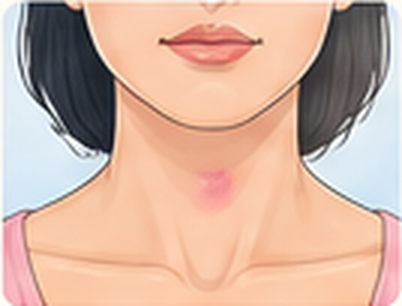
A lump in the neck
A new lump or swelling at the front of the neck, especially if it is growing or persistent.
Patient Guide · Thyroid Cancer
Clear, practical information to help you recognise symptoms, understand diagnosis and discuss treatment decisions with your doctor.
This guide supports informed conversations with your doctor. It does not replace an individual medical assessment.
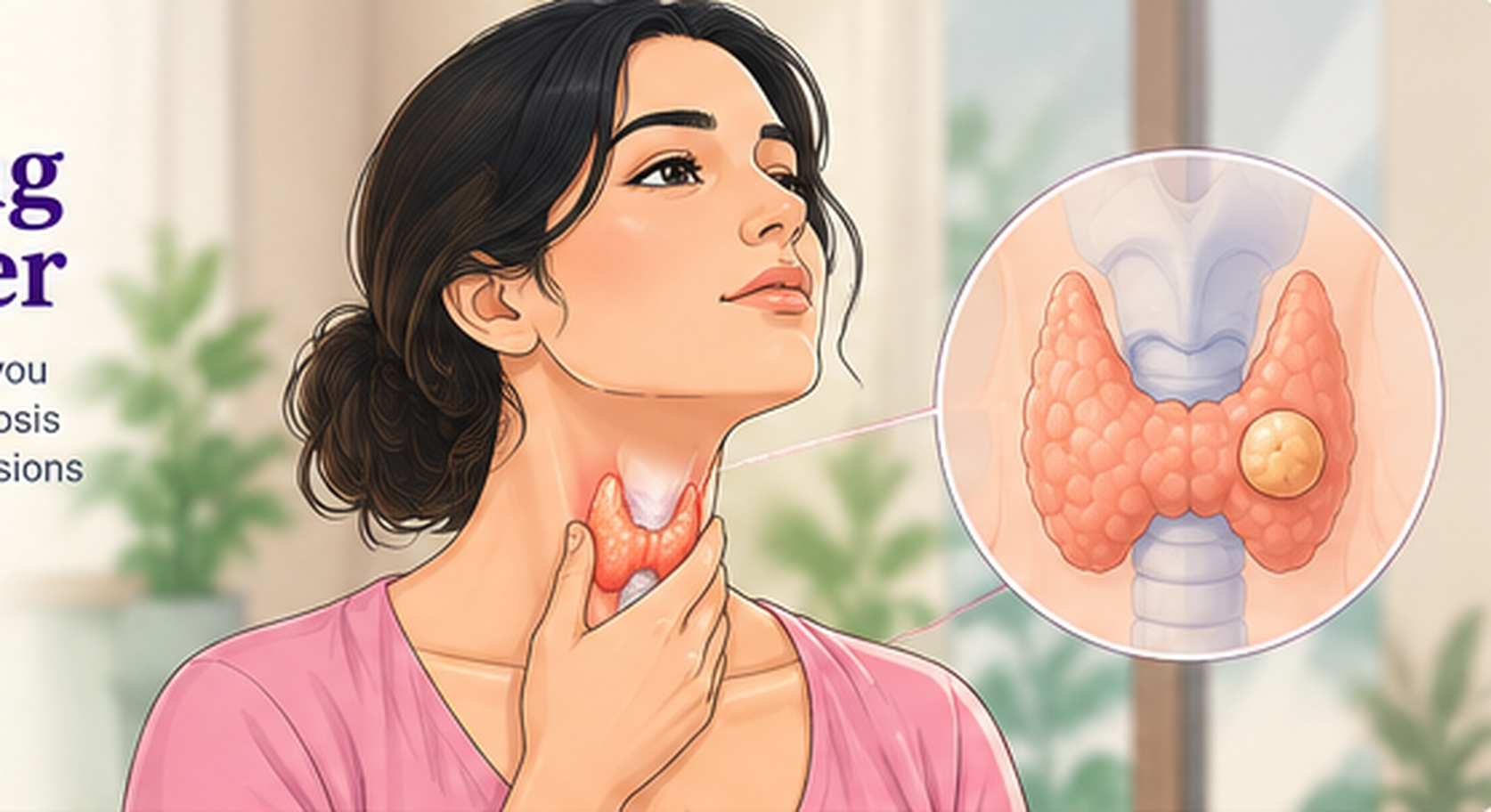
Use these sections to understand possible next steps, prepare questions and discuss your options with your doctor.
Know which new neck or voice changes need assessment.
Learn about examination, ultrasound, FNAC and further tests.
Understand surgery and other treatments used in selected cases.
Know what to bring and which questions to ask.
What to look for
These symptoms can have several causes, many of them non-cancerous. Persistent or changing symptoms should be assessed.
A new lump or swelling at the front of the neck, especially if it is growing or persistent.
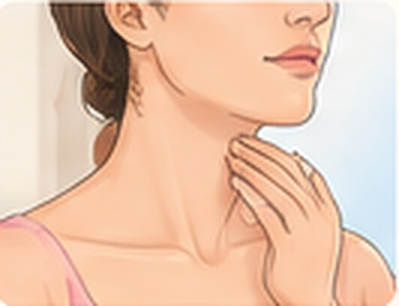
A feeling that food sticks in the throat or pressure when swallowing.
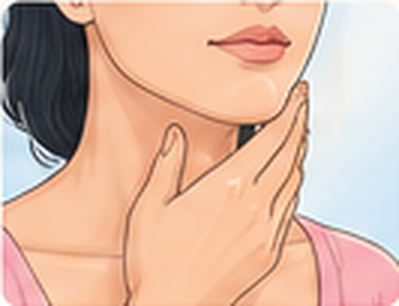
Persistent hoarseness or a change in voice that does not settle.
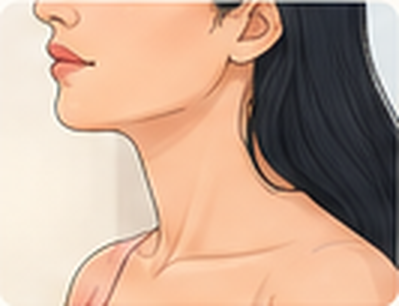
Persistent pain, pressure or discomfort in the front of the neck.
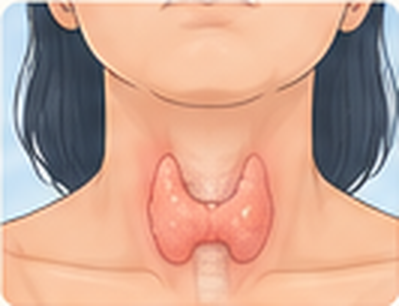
An enlarged thyroid or a thyroid nodule noticed by you or during examination.
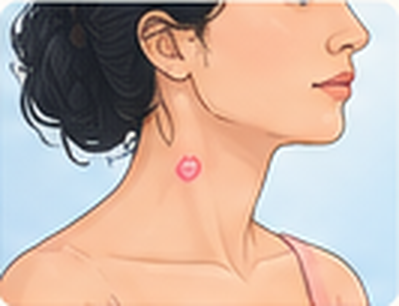
A new lump or swelling in the side of the neck may need assessment.
Arrange an assessment for a new or growing neck lump, persistent hoarseness, difficulty swallowing or unexplained neck pressure. Breathing difficulty or rapidly worsening swelling requires urgent medical attention.
Understanding risk
Risk factors vary by thyroid cancer type. Having a risk factor does not mean cancer will develop.

Thyroid cancer can occur at any age and is more commonly diagnosed in women, though anyone can develop it.
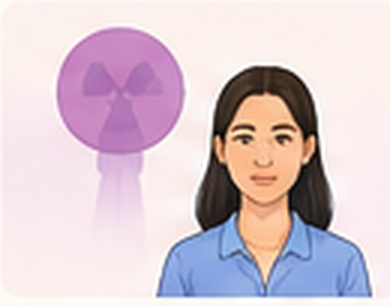
Radiation exposure to the head or neck, particularly during childhood, can increase risk.
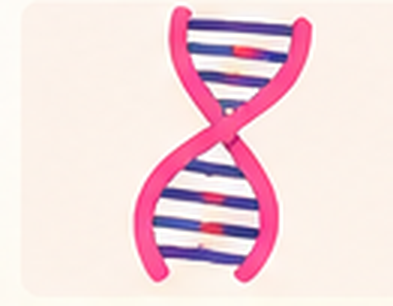
Some inherited gene changes and family syndromes increase the risk of particular thyroid cancers.
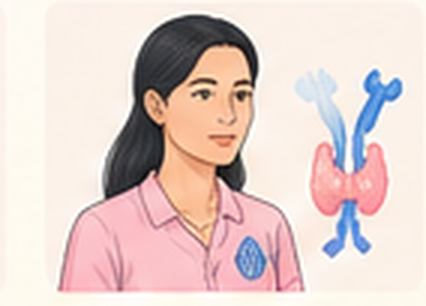
A family history of thyroid cancer or certain inherited conditions may affect risk assessment.
If thyroid cancer runs in your family or you have a known inherited syndrome, tell your doctor so that your personal risk and any appropriate follow-up can be discussed.
Getting a clear diagnosis
The evaluation depends on the examination and ultrasound appearance. Not every thyroid nodule requires a biopsy or scan.
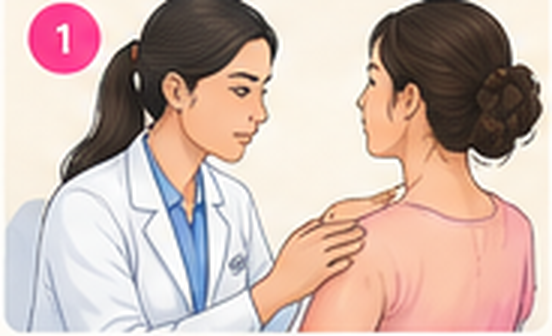
Your doctor reviews symptoms and medical history and examines the thyroid and neck lymph nodes.

Ultrasound assesses the size and appearance of thyroid nodules and nearby lymph nodes.

When indicated, a fine-needle sample helps assess whether a nodule is benign or suspicious.
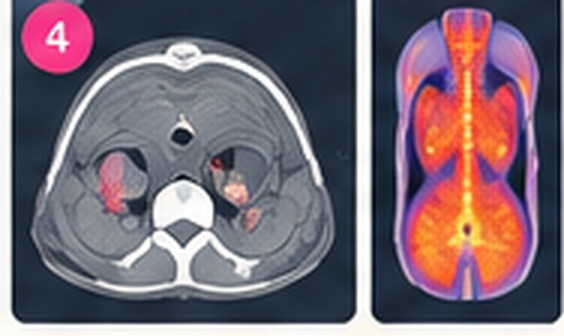
Blood tests, additional imaging or other investigations are selected according to the findings and suspected cancer type.
Thyroid cancers are not all alike. The pathology type, tumour features, extent of disease and overall health influence whether surgery alone is appropriate or additional treatment and follow-up are needed.
Treatment decisions
Treatment is selected according to the cancer type, extent of disease, risk features and your overall health.
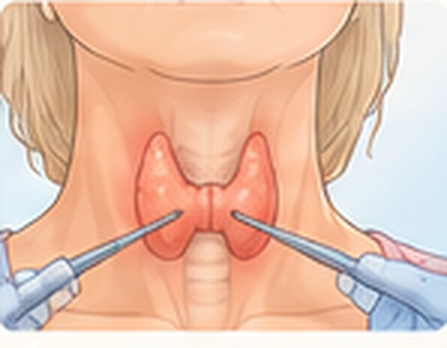
Depending on the diagnosis, surgery may remove part or all of the thyroid. Lymph nodes may also need treatment in selected cases.
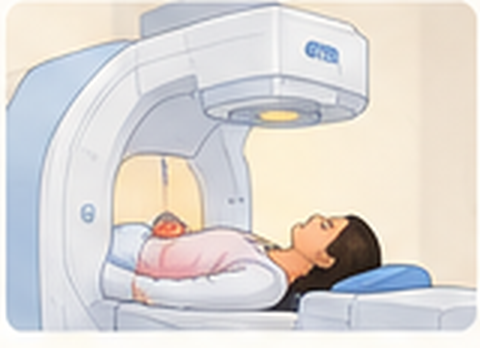
Used for selected differentiated thyroid cancers after surgery; it is not required for every patient.
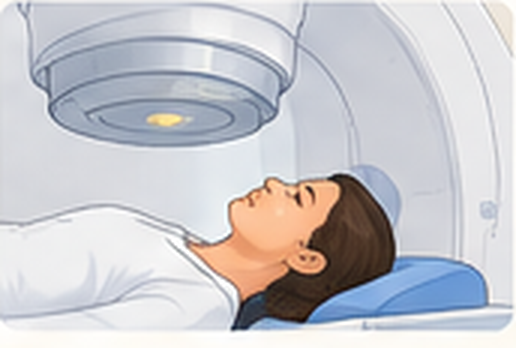
External beam radiotherapy may be considered in specific situations, including selected advanced or recurrent disease.
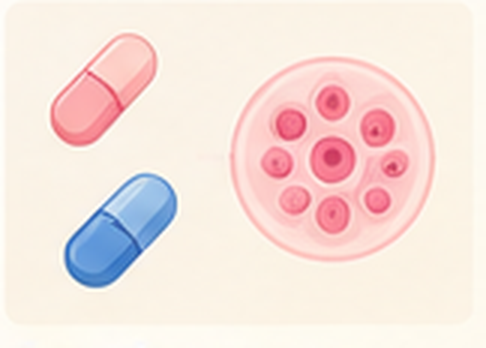
Targeted medicines and other systemic treatments may be considered for certain advanced cancers based on tumour type and clinical findings.
After total thyroidectomy, thyroid hormone replacement is generally needed long term. After a less extensive operation, the need depends on remaining thyroid function and treatment goals.
No. It is considered for selected differentiated thyroid cancers after surgery. The recommendation depends on the pathology and assessment of recurrence risk.
What happens next
This is a general overview. Your individual pathway may differ depending on the diagnosis and recommended treatment.
Discuss the lump, symptoms, medical history and any previous reports.
Examination and ultrasound help characterise the thyroid and neck.
Needle sampling or further tests may be advised based on ultrasound findings.
Review the likely diagnosis, treatment choices, benefits and possible risks.
Surgery or another treatment is planned according to the specific thyroid cancer type.
Follow-up may include clinical review, blood tests and ultrasound as appropriate.

Bring any records that may help your doctor understand the findings.
Surgical oncology consultation
Dr. Abhishek Kumar Verma (MCh), Surgical Oncologist, can review your reports, explain the role of surgery and discuss how treatment decisions fit into your individual care plan.
Recommendations are made after reviewing your individual diagnosis and clinical findings.
Common questions
General answers to questions patients often raise during consultation.
No. Most thyroid nodules are benign. Ultrasound features, clinical context and sometimes needle sampling help determine whether further evaluation is needed.
No. The extent of surgery depends on the cancer type, size, extent, risk features and individual circumstances. Some patients may be suitable for a less extensive operation.
Not always. Radioactive iodine is used for selected differentiated thyroid cancers based on recurrence risk and other clinical factors.
Bring ultrasound reports and images, FNAC or biopsy reports, blood test results, scan reports, previous operation notes if applicable, and your medication list.
Take the next step
Arrange a consultation or seek a second opinion to understand your treatment options.
This page is for education and does not substitute for examination, diagnosis or personalised medical advice. A neck lump or thyroid nodule should be assessed in its clinical context.