
Pain in the upper abdomen
Persistent discomfort, especially in the right upper part of the abdomen.
Patient Guide · Gallbladder Cancer
Practical information to help you recognise symptoms, understand diagnosis and discuss treatment decisions with your doctor.
This guide supports informed conversations with your doctor. It does not replace an individual medical assessment.
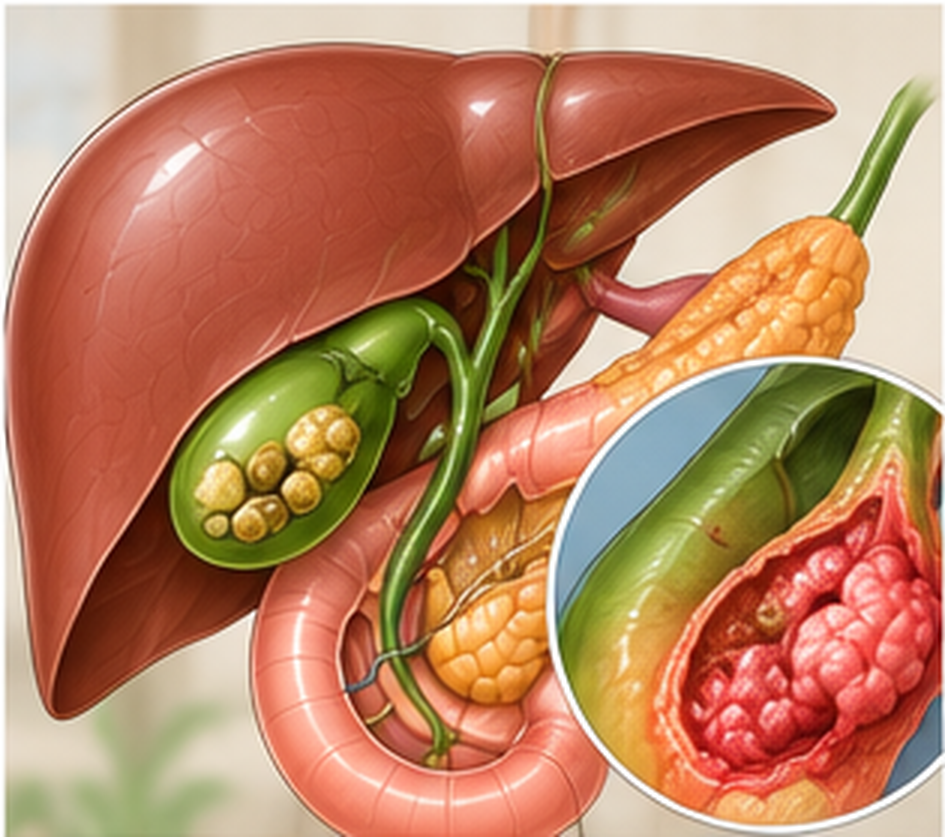
Use these sections to understand possible next steps, prepare questions and discuss your options with your doctor.
Recognise symptoms that need medical evaluation.
Learn about imaging, biopsy and staging.
Understand surgery and chemotherapy.
Know what to bring and which questions to ask.
What to look for
Symptoms can have many causes. Persistent or unexplained symptoms should be assessed.
Persistent discomfort, especially in the right upper part of the abdomen.
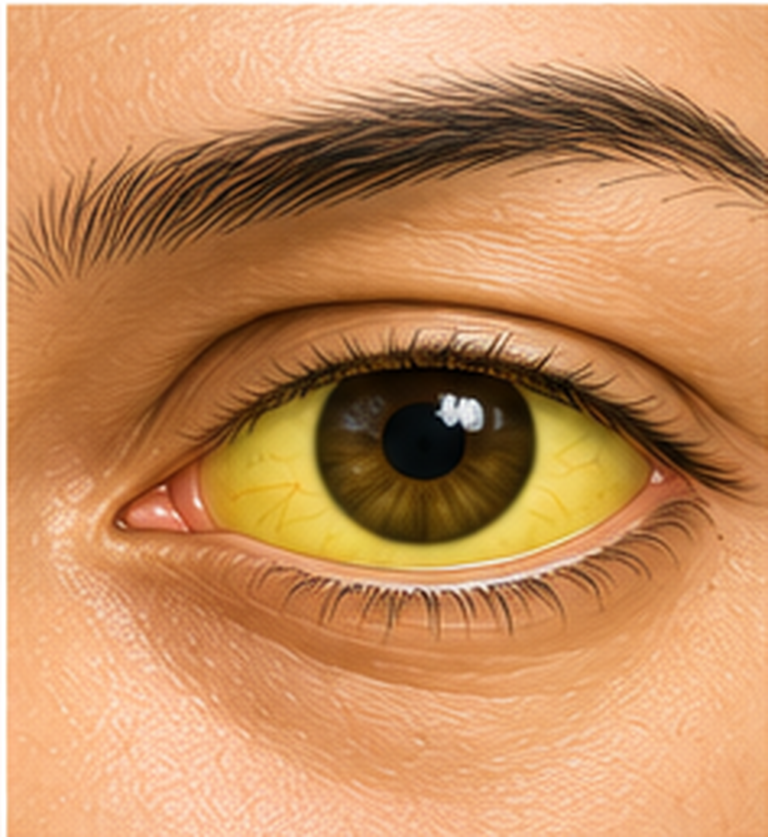
Yellowing of the eyes or skin, sometimes with dark urine or pale stools.

Persistent nausea, vomiting or reduced appetite.
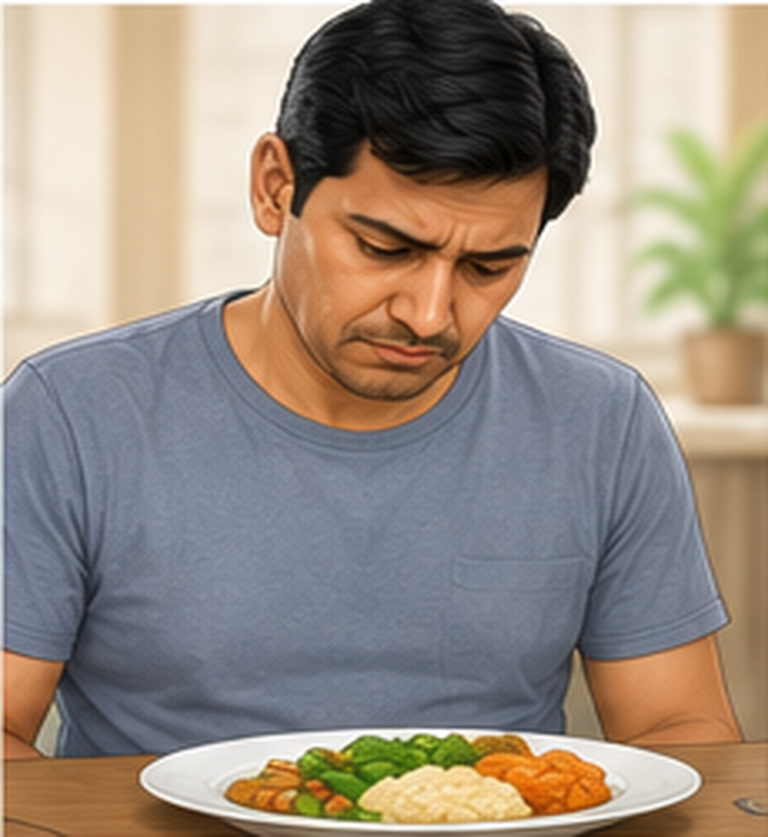
Losing weight without trying, especially with reduced appetite.

Itching may occur when bile flow is obstructed, but has many other causes.

A lump or swelling may occur in some cases and needs prompt assessment.
Seek prompt assessment for jaundice, persistent upper abdominal pain, unexplained weight loss or ongoing vomiting. Severe pain, fever with jaundice, confusion or rapidly worsening symptoms require urgent medical care.
Understanding risk
Having a risk factor does not mean you will develop cancer, and some patients have no recognised risk factors.
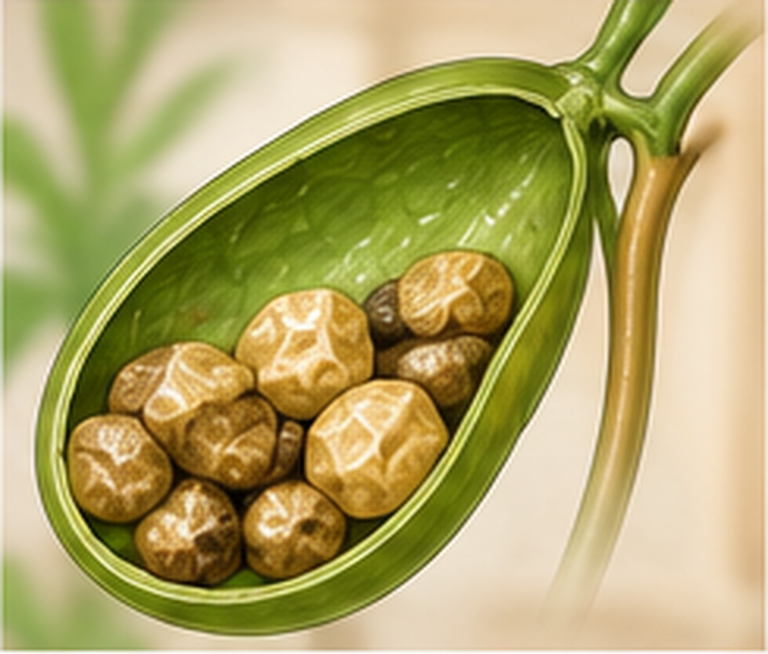
Gallstones are common and most people with them do not develop cancer. Long-standing gallbladder inflammation can be relevant to risk.
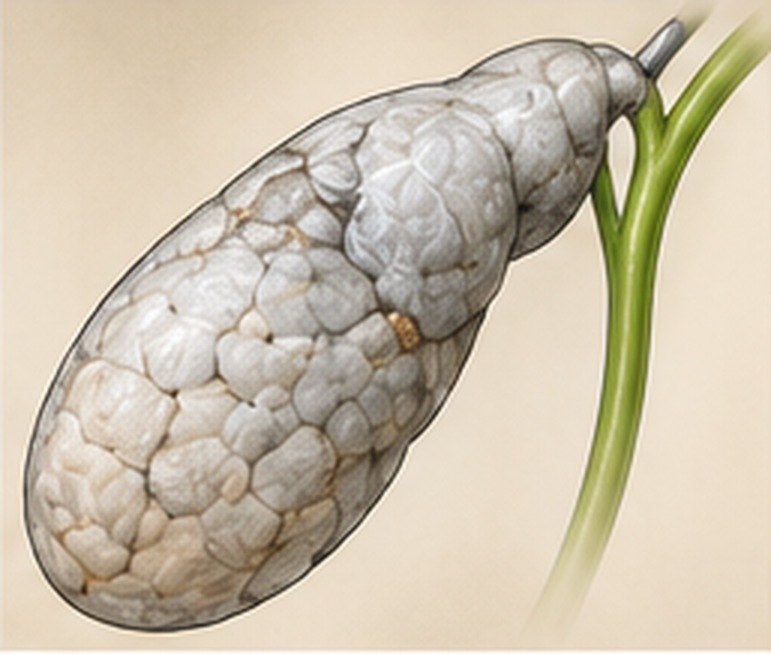
Long-standing inflammation of the gallbladder may be associated with increased risk.
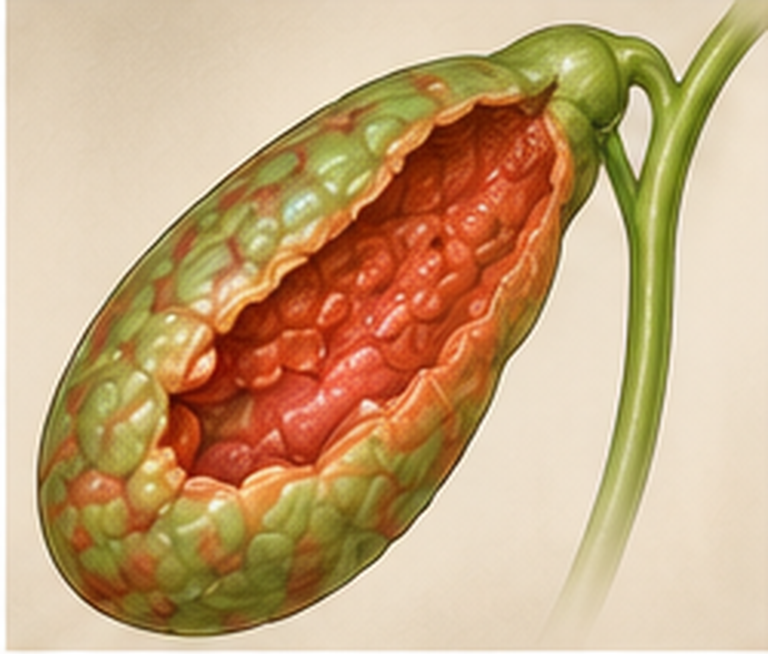
Calcification of the gallbladder wall needs individual assessment; the level of cancer risk varies.

Some chronic infections have been associated with gallbladder cancer in particular settings.

Gallbladder cancer is more common in older adults and is diagnosed more often in women.
Getting a clear diagnosis
The choice of tests depends on symptoms, examination findings and the suspected extent of disease.
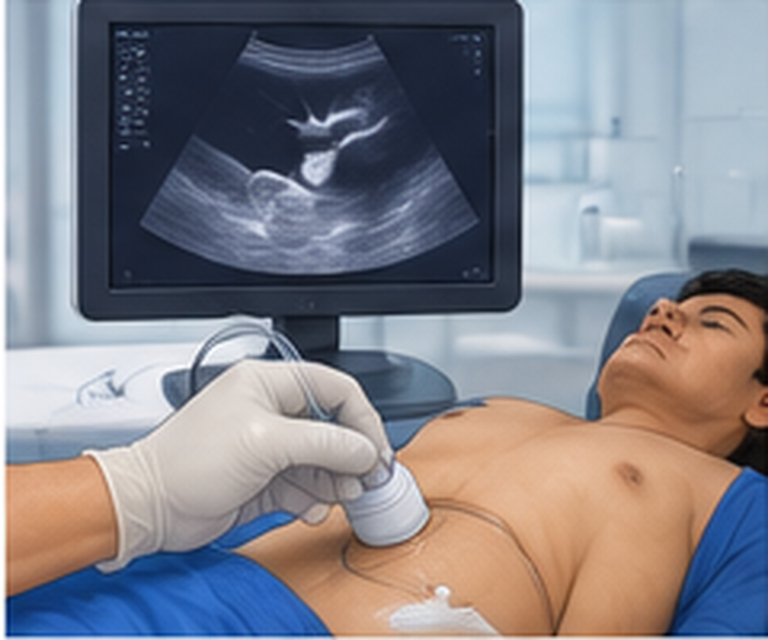
Your doctor reviews symptoms, medical history, examination findings and risk factors.

Often an initial test to assess the gallbladder, bile ducts and nearby organs.
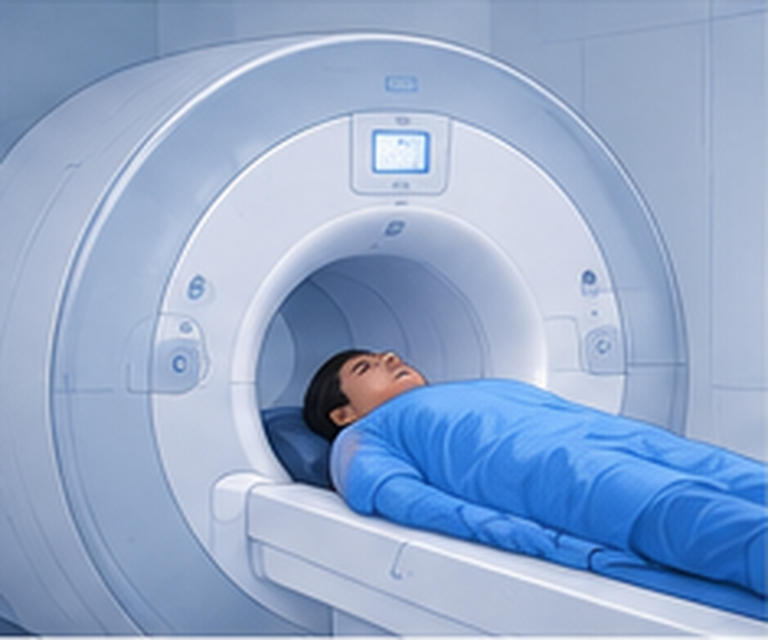
Imaging helps assess the tumour, nearby structures and possible spread.
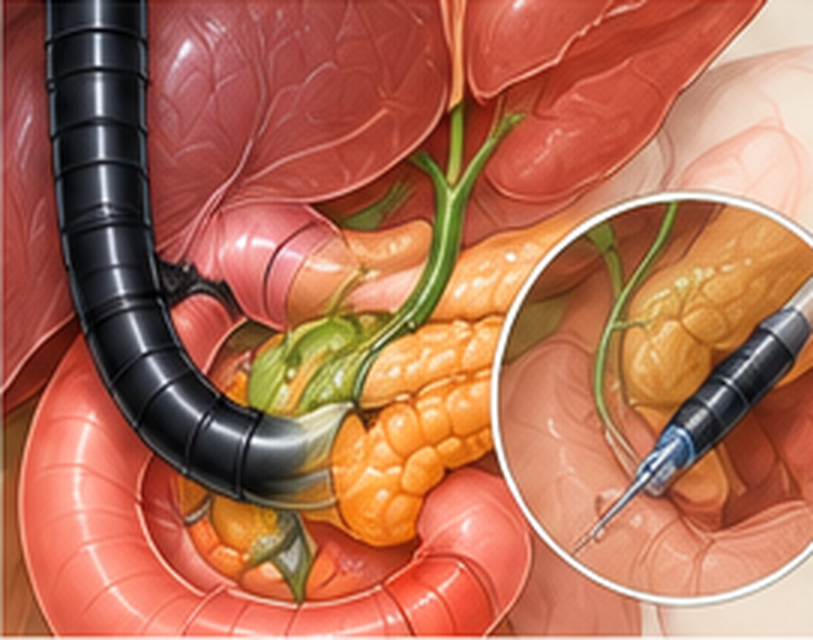
A biopsy may be appropriate in selected situations; it is not required before every potentially resectable operation.
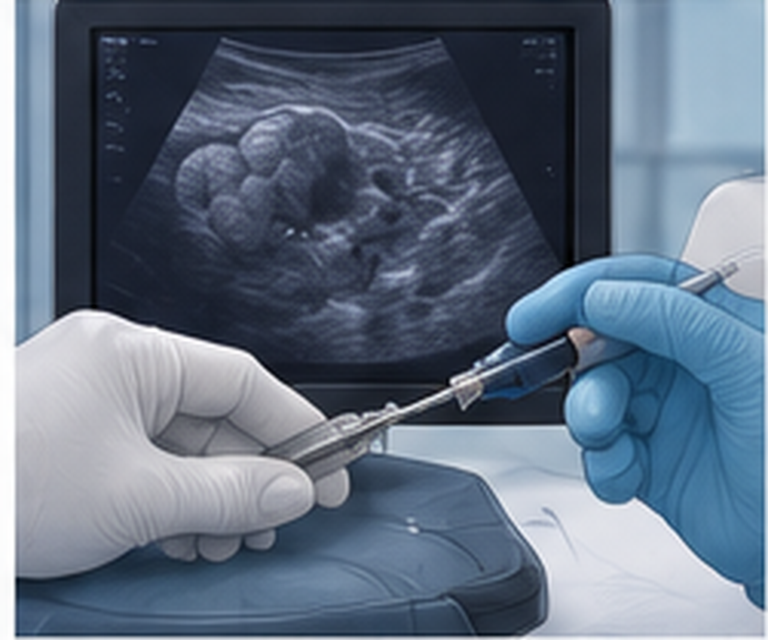
Blood tests and other scans may be recommended depending on the clinical situation.
Not always. In some patients with imaging strongly suggestive of resectable gallbladder cancer, the specialist team may recommend surgery without a preoperative biopsy. This decision requires expert review of the individual case.
Treatment decisions
Treatment depends on stage, tumour location, whether it can be removed completely and your overall health.
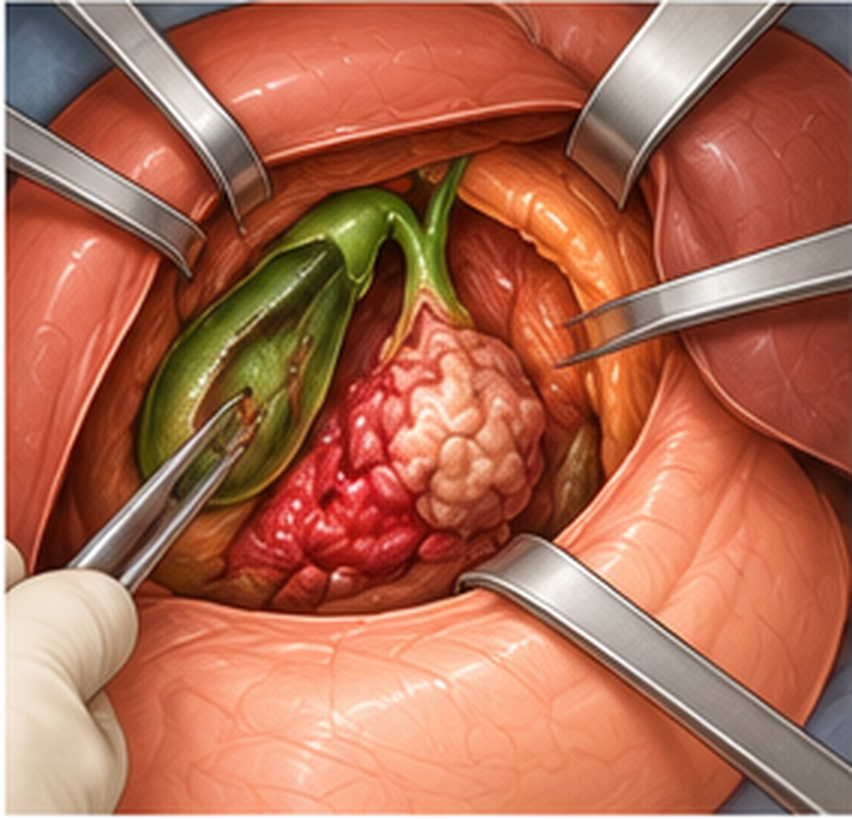
For selected patients, surgery offers the possibility of removing the cancer. The operation depends on its stage, location and whether complete removal is feasible.
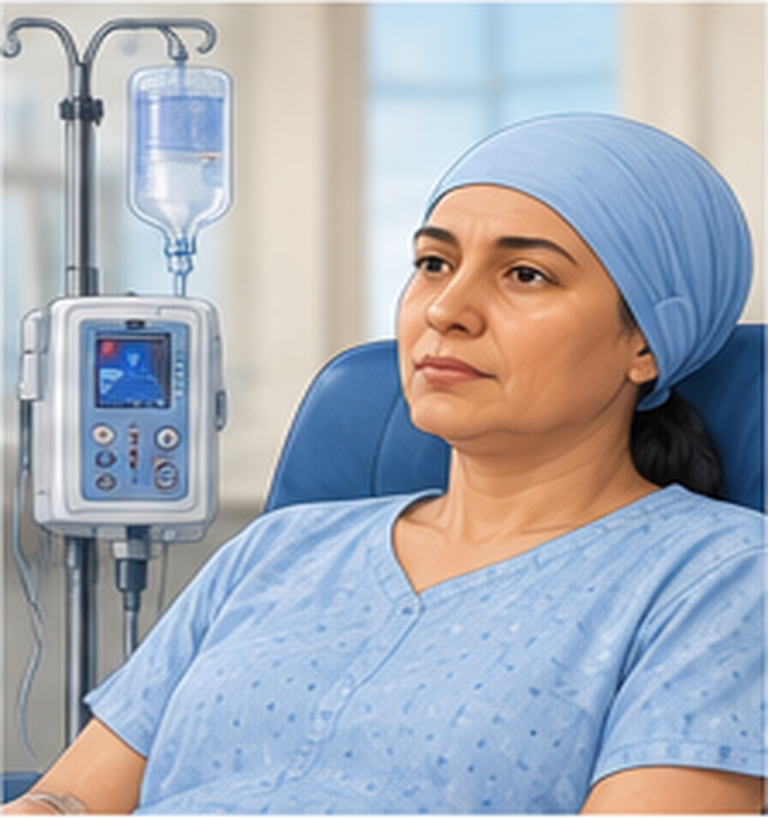
May be used after surgery in selected cases or for cancer that cannot be completely removed or has spread. The regimen depends on the clinical situation.
The team assesses whether the cancer is resectable and which operation, if any, is appropriate. Treatment recommendations should be based on staging and multidisciplinary review where available.
What happens next
Your exact pathway depends on the stage of disease and your individual clinical findings.
Discuss symptoms, medical history, prior scans and any previous operation reports.
Ultrasound and cross-sectional imaging help assess the gallbladder and surrounding structures.
Your team reviews imaging, pathology when available and whether the cancer may be removable.
The plan is individualised, with surgery and/or chemotherapy considered according to stage and fitness.
Recovery planning may include nutrition, symptom control and follow-up.
Your team will explain the follow-up schedule and which symptoms should prompt review.

Bring your reports and note your symptoms and when they began.
Surgical oncology consultation
Dr. Abhishek Kumar Verma (MCh), Surgical Oncologist, can review your reports, explain surgical options and discuss the role of treatment in your care plan.
Recommendations are made after reviewing your individual diagnosis and clinical findings.
Common questions
Select a question to read the answer.
Take the next step
Arrange a consultation or seek a second opinion to discuss your treatment plan.
This page is for education and does not substitute for examination, diagnosis or personalised medical advice. Jaundice, persistent upper abdominal pain or unexplained weight loss should be assessed by a qualified clinician.