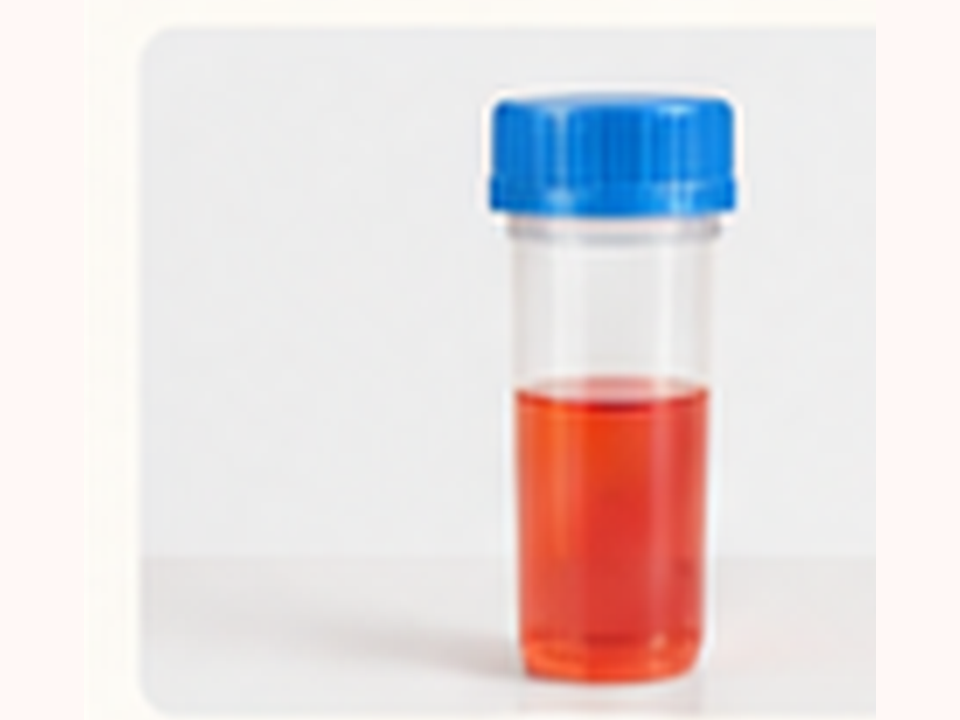
Blood in the urine
Pink, red or cola-coloured urine, or blood detected on testing, needs medical assessment. It can have causes other than cancer.
Patient Guide · Kidney Cancer
Clear, practical information to help you recognise possible warning signs, understand tests and discuss kidney cancer treatment options with your care team.
This guide supports informed conversations with your doctor. It does not replace an individual medical assessment.
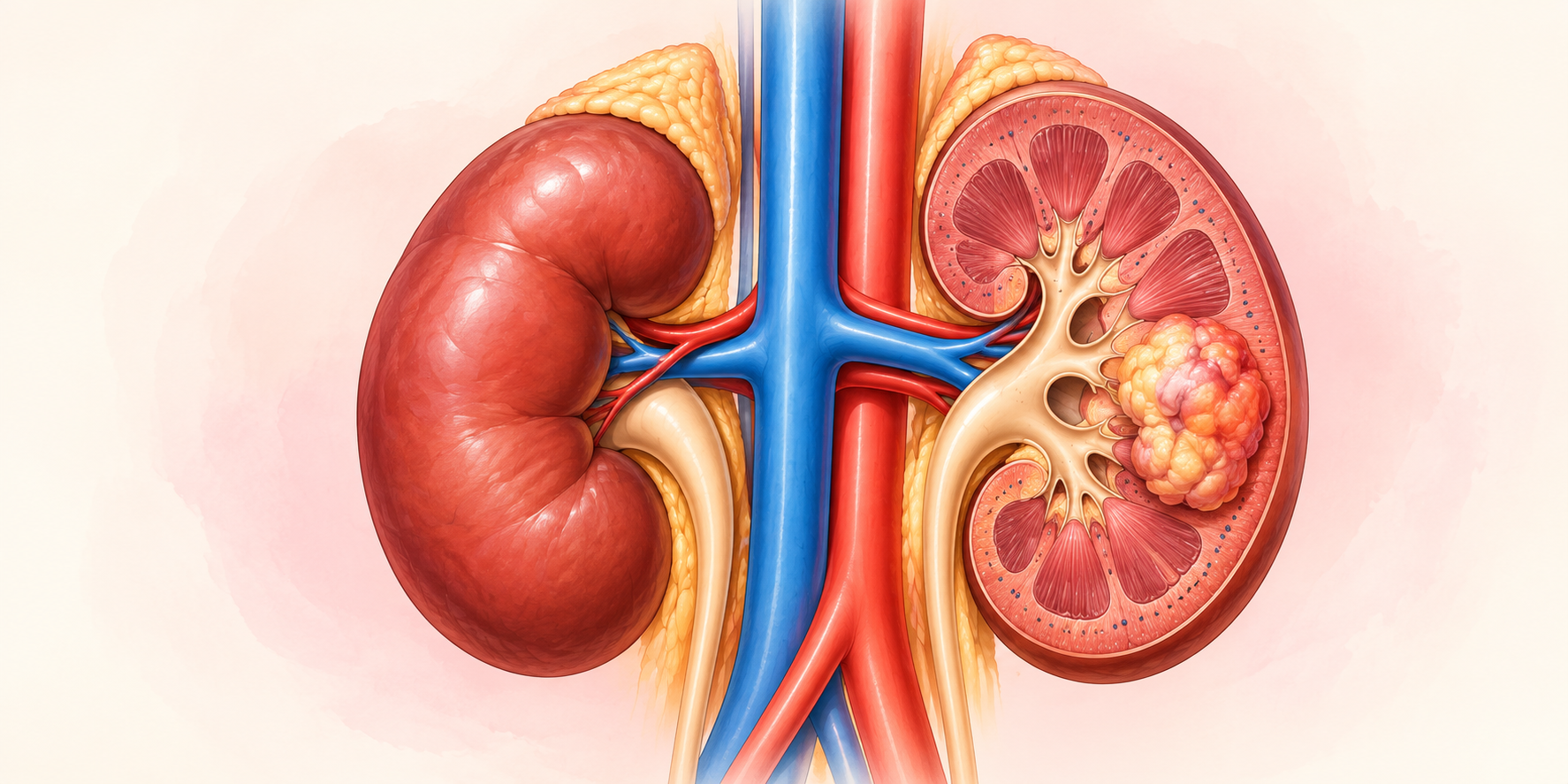
Use these sections to understand possible next steps, prepare questions and discuss your options with your doctor.
Understand symptoms and when they need assessment.
Learn about urine tests, imaging and biopsy when indicated.
Compare surgery, monitoring and other treatments.
Know which reports and questions to bring.
What to look for
Early kidney cancer may cause no symptoms and may be found incidentally on imaging. These symptoms can have causes other than cancer, but persistent or visible changes should be assessed.
Pink, red or cola-coloured urine, or blood detected on testing, needs medical assessment. It can have causes other than cancer.

Ongoing pain below the ribs or in the flank should be assessed, particularly if it is unexplained or persistent.

A mass in the abdomen or flank is not a common early sign, but needs prompt clinical evaluation.

Unintentional weight loss or reduced appetite can have many causes and should be reviewed if persistent.

Ongoing tiredness, fever or feeling generally unwell can occur for many reasons and should not be self-diagnosed.

A new persistent varicocele, particularly on the right, or otherwise unexplained leg swelling should be assessed. These findings are uncommon and have many other causes.
Visible blood in the urine should be assessed promptly, even if painless or occurring only once. Seek urgent care if you have heavy bleeding, severe pain, fever with flank pain, or difficulty passing urine.
Understanding risk
Risk factors change the likelihood of disease but do not determine an individual outcome. Some people develop kidney cancer without a known risk factor.

Smoking is an established risk factor. Stopping smoking benefits overall health and may reduce future risk.

Higher body weight is associated with increased risk of renal cell cancer in population studies.

High blood pressure is associated with kidney cancer risk. It is important to manage it for overall health.

Some inherited conditions and a strong family history can increase risk; most kidney cancers are not inherited.
Long-term dialysis and certain hereditary conditions are additional risk factors. If cancer develops at a young age, affects both kidneys, or runs in the family, ask whether genetic counselling is appropriate.
Understanding the diagnosis
Most adult kidney cancers are renal cell carcinomas. A pathology report may describe a subtype, which can help guide care.
The most common type of renal cell cancer.
A distinct subtype with different biological features.
A less common renal cell cancer subtype.
A tumour arising in the renal pelvis may instead be a urothelial cancer, which is evaluated and treated differently. Not every kidney mass is cancerous.
Getting a clear diagnosis
The evaluation depends on imaging findings, kidney function, symptoms and whether the result will change management.

Your clinician reviews symptoms, medical history, medicines and examination findings.

Tests may look for blood in urine, assess kidney function and help evaluate other possible causes.

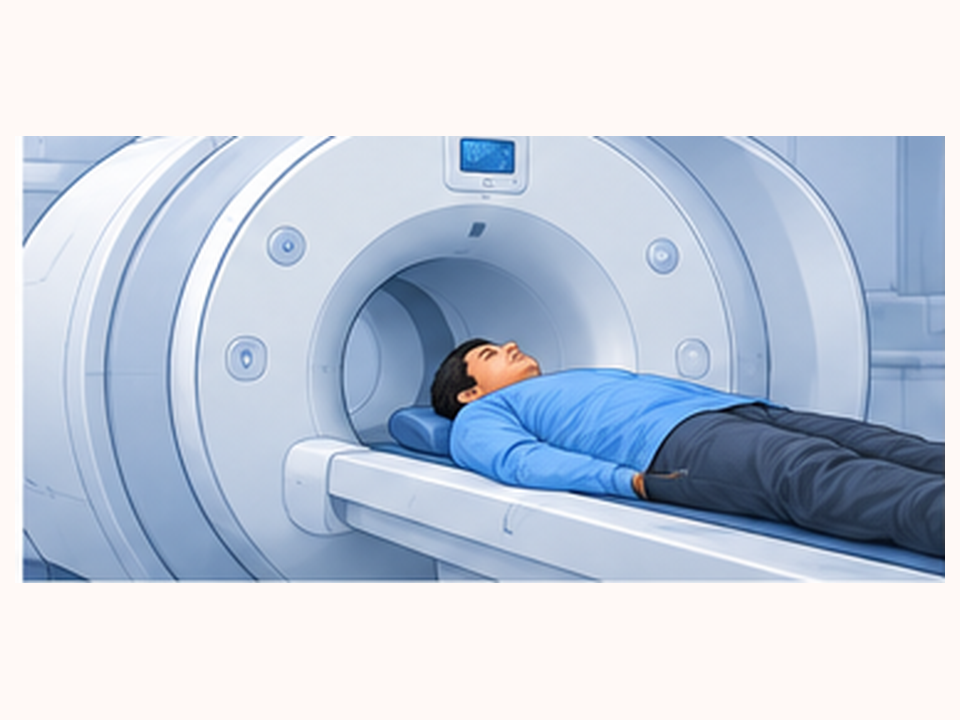
Ultrasound, contrast CT or MRI may be used to assess the kidney mass and whether it has spread.

A biopsy is not required before every kidney operation. It may be recommended when the result will help guide management.
Blood tests and imaging help clinicians understand kidney function and anatomy before choosing treatment. Preserving functioning kidney tissue is an important consideration when it can be done safely.
Treatment decisions
Treatment is individualised according to tumour size, location, stage, kidney function, overall health and personal preferences.

Surgery may remove only the tumour and a rim of healthy tissue, or the whole kidney, depending on tumour features and kidney function.
For selected small masses or people with specific health considerations, careful monitoring or an ablative procedure may be appropriate.

Some advanced kidney cancers are treated with systemic medicines selected according to the disease and the person's overall condition.

Radiotherapy is not the usual primary treatment for most localised kidney cancers, but may help in selected cases, including symptom relief.
For suitable localised tumours, partial nephrectomy may remove the tumour while preserving more healthy kidney tissue. The choice depends on tumour anatomy, cancer risk, kidney function and surgical feasibility.
Not always. Active surveillance may be appropriate for selected small masses, particularly when immediate treatment risks outweigh likely benefits. This requires a planned follow-up strategy with the treating team.
What happens next
This is a general overview. Your own plan and timeline may differ depending on diagnosis, stage and recommended treatment.
Discuss symptoms, medical history, kidney function and any previous scan reports.
Review imaging to understand size, location and involvement of nearby structures.
Determine whether biopsy or additional tests are needed before deciding on treatment.
Discuss surveillance, ablation, surgery or systemic treatment as appropriate.
Review the expected course, kidney function considerations and recovery needs.
Attend visits and tests to monitor recovery, kidney function and recurrence risk.

Bringing your records can help make the discussion more focused.
Surgical oncology consultation
Dr. Abhishek Kumar Verma (MCh), Surgical Oncologist, can review available reports, explain the role of surgery and discuss how surgical decisions fit into the wider treatment plan.
Recommendations require review of your individual diagnosis and clinical findings.
Common questions
General answers to questions patients often raise during consultation.
No. Urinary infection, stones and other conditions can also cause blood in urine. It should still be assessed, even if it occurs only once or is painless.
No. Management depends on size and appearance of the mass, its growth, kidney function, overall health and patient preferences. Options can include surveillance, ablation or surgery.
No. For suitable tumours, partial nephrectomy removes the tumour while preserving more functioning kidney tissue. The safest operation depends on the tumour and individual circumstances.
No. A biopsy is useful in selected situations, particularly when the result may change management. The treating team decides whether it is needed.
Yes. Bring CT/MRI images and reports, blood and urine results, pathology if available, and your medication list so the options can be reviewed.
Take the next step
Arrange a consultation or seek a second opinion before making treatment decisions.
Medical information on this page is for education and does not substitute for examination, diagnosis or personalised medical advice. If you notice blood in the urine or another concerning symptom, seek assessment from a qualified healthcare professional.