
Bleeding after sexual intercourse
Bleeding after sex should be assessed, although it can have causes other than cancer.
Gynaecologic Oncology
Learn about warning signs, HPV, screening, diagnosis and treatment options. An abnormal screening result does not automatically mean cancer, but recommended follow-up is important.
Dr. Abhishek Kumar Verma · Surgical Oncologist · Lucknow
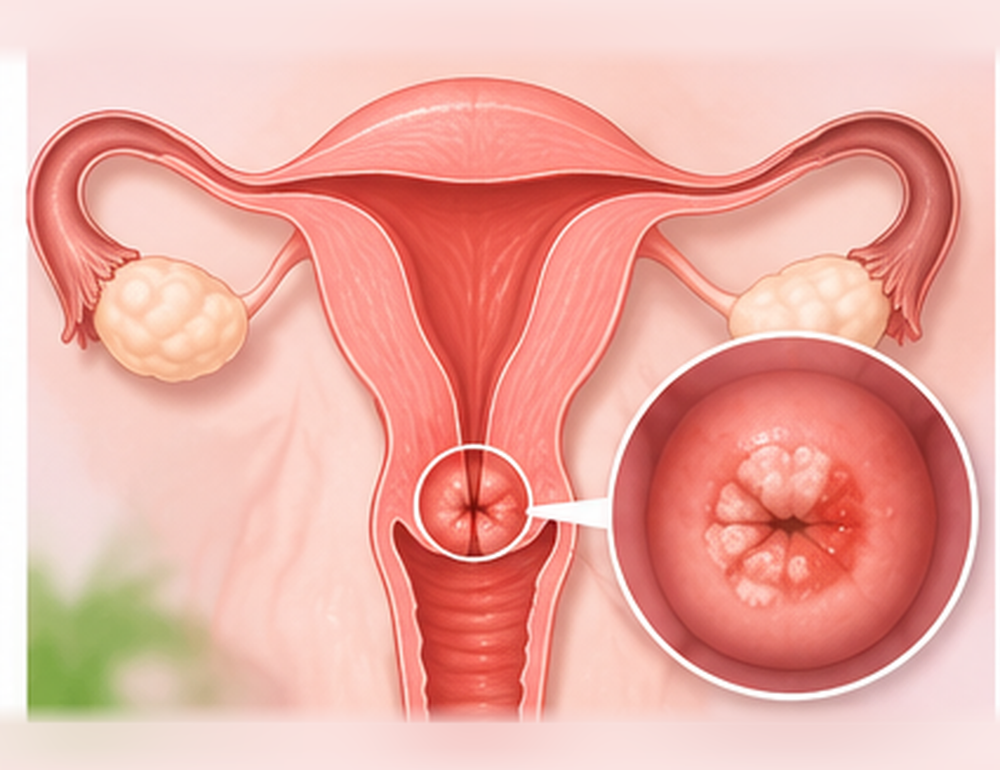
Use these sections to understand possible next steps, prepare questions and discuss your options with your doctor.
Know which symptoms need medical evaluation.
Learn about HPV testing, screening, biopsy and staging.
Understand surgery and other treatments that may be recommended.
Know what to bring and which questions to ask.
Cervical cancer can often be prevented through HPV vaccination and appropriate screening. Symptoms such as unexpected bleeding or persistent unusual discharge need medical assessment; screening is also important when you feel well.
Step 1 · Recognise the signs
Early cervical cancer may cause no symptoms. Screening is important even when you feel well. Persistent or unusual symptoms should be assessed.
Bleeding after sex should be assessed, although it can have causes other than cancer.

Unexpected bleeding or spotting deserves medical evaluation.

Persistent watery, blood-stained or foul-smelling discharge needs assessment.

Persistent pelvic pain or discomfort during sex may need investigation.

Pain can have many causes, but persistent symptoms should be discussed with a clinician.

In more advanced disease, symptoms may include back pain, leg swelling or urinary/bowel changes.
Precancerous changes and early cervical cancer may not cause noticeable symptoms. Ask a qualified clinician about screening appropriate for your age, history and local guidance.
Step 2 · Understand the risks
Persistent high-risk HPV infection is the main cause of cervical cancer. Other factors can influence risk and progression.

Persistent infection with high-risk human papillomavirus (HPV) is the main cause of cervical cancer.

Not being screened does not cause HPV infection, but it may allow precancerous changes to remain undetected and untreated.

Smoking is associated with increased risk of cervical precancer and cancer.

People living with HIV or using certain immune-suppressing medicines may be less able to clear high-risk HPV infections.
HPV vaccination and screening are complementary prevention measures. Vaccination is most effective when given before exposure to HPV, but eligibility and recommendations vary by age and individual circumstances.
Preventing cervical cancer
Vaccination can prevent many HPV-related cervical cancers, while screening helps detect changes before cancer develops. Recommendations depend on age, medical history, immune status and local guidelines.

Vaccination is most effective before HPV exposure. It prevents new infections from covered HPV types; it does not treat an existing infection or established cancer.

Your clinician may recommend a high-risk HPV test, a Pap test or another locally supported screening approach. Regular screening remains relevant after vaccination.
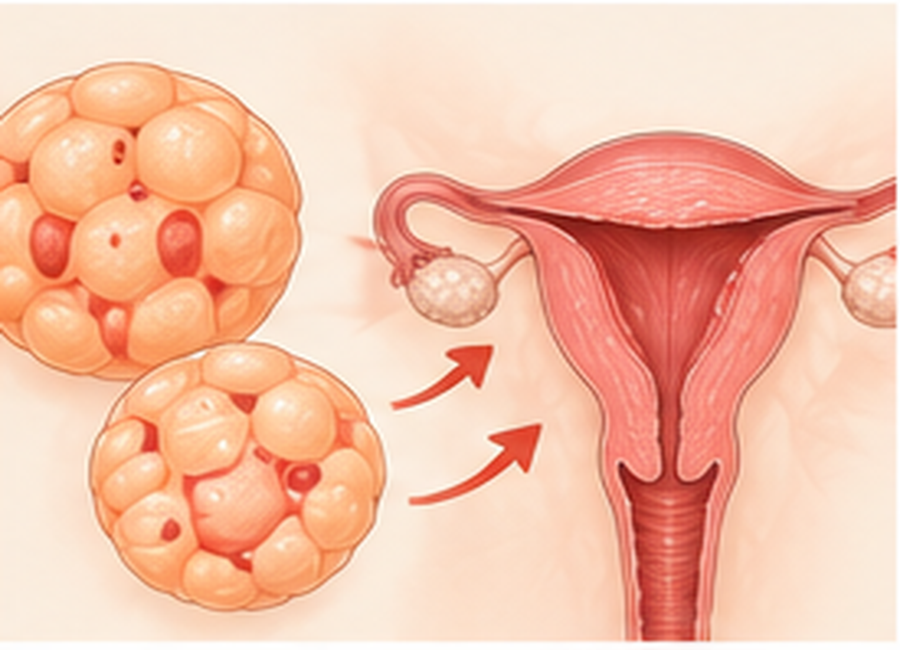
An abnormal screening test is not the same as a cancer diagnosis. Keep the recommended appointment for repeat testing, colposcopy or biopsy when indicated.
Important: Screening is intended for people without symptoms. If you have bleeding after intercourse, bleeding after menopause, or another concerning symptom, arrange clinical evaluation even if your most recent screening result was normal.
Step 3 · Know the process
HPV and Pap tests are screening tests; an abnormal result does not automatically mean cancer. Symptoms or concerning findings require clinical assessment, and a tissue biopsy is generally needed to confirm invasive cervical cancer. Imaging may then help determine its extent.

Your clinician reviews symptoms and history and may examine the cervix when appropriate.
HPV testing and/or a Pap test may detect high-risk HPV or abnormal cervical cells. Screening tests alone cannot confirm invasive cancer; visible lesions or symptoms still need clinical evaluation.
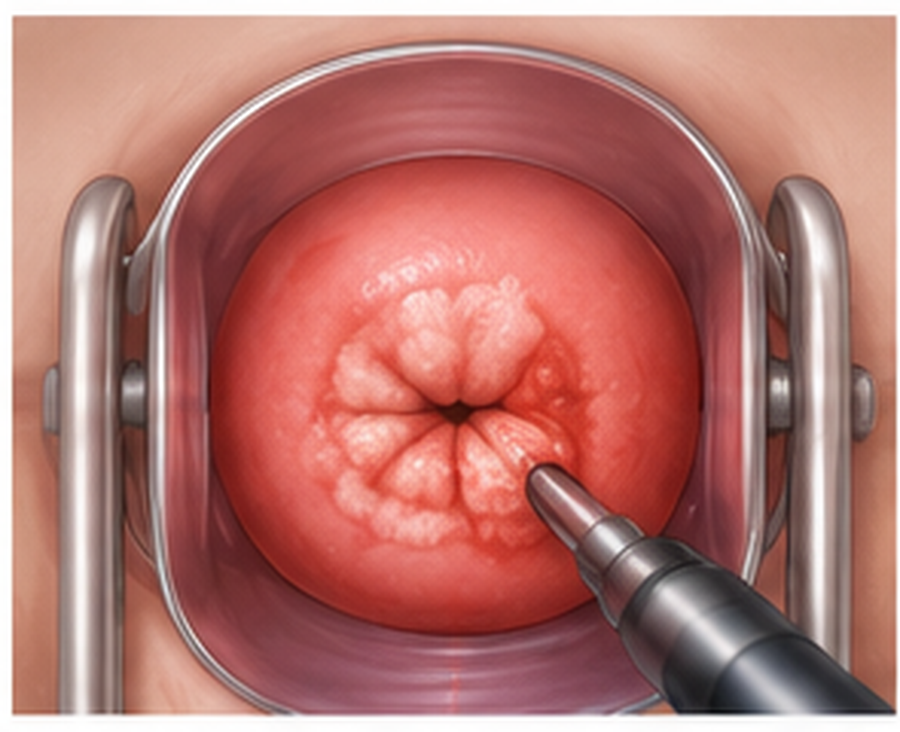
A colposcopy allows a closer view of the cervix. A biopsy of an abnormal area can confirm whether precancer or cancer is present.

MRI, CT, PET-CT or other tests may be used depending on the confirmed diagnosis and suspected extent of disease.
Step 4 · Explore your options
Treatment depends on stage, tumour features, overall health, fertility priorities and previous treatment. The care team explains which options are appropriate for your situation.
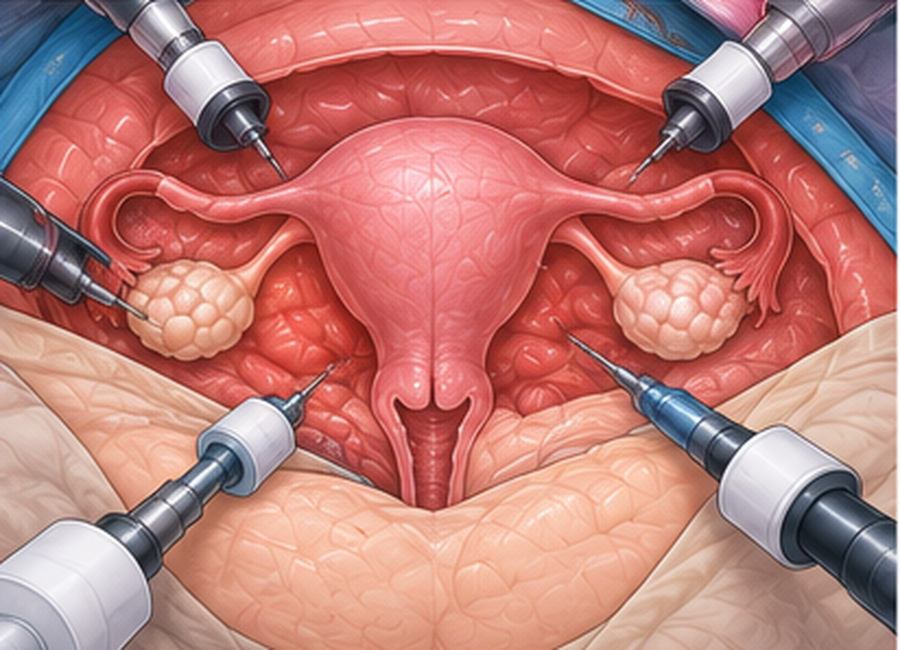
For selected early-stage cancers, surgery may range from a carefully selected fertility-sparing procedure to hysterectomy with appropriate assessment of lymph nodes.
External-beam radiotherapy and brachytherapy are important treatments for many locally advanced cancers and may also be used in selected other situations.

Chemotherapy may be given with radiotherapy for locally advanced disease or used in other settings depending on stage and treatment goals.

Immunotherapy or targeted medicines may be suitable for selected patients, including some with persistent, recurrent or advanced disease. Eligibility depends on stage, tumour markers, previous treatment and current clinical guidance.
For many locally advanced cervical cancers, a standard approach includes external-beam radiotherapy, concurrent platinum-based chemotherapy when suitable, and brachytherapy. Immunotherapy may be added or used in selected settings under current treatment guidance. The exact plan is determined after staging and multidisciplinary assessment.
Step 5 · Know what comes next
Your care team will explain the purpose of each step and adapt the sequence to your needs.
Discuss symptoms, screening history, previous reports and relevant medical history.
Complete the examination, biopsy and tests recommended for your situation.
Your team uses clinical findings and appropriate investigations to understand the extent of disease.
Review the benefits, risks, alternatives and fertility implications where relevant.
Treatment is tailored to the cancer stage, health, priorities and available evidence-based options.
Follow-up checks recovery, treatment effects and any signs that need further assessment.
Before your consultation
Bring the records you already have. You do not need to complete every test before your first appointment.
Biopsy, cytology and HPV test reports, if available
MRI, CT, PET-CT or ultrasound reports and images, if performed
Previous prescriptions and treatment records
A list of current medicines and medical conditions
Questions about fertility, sexual health, treatment effects and recovery

Discuss symptoms, screening or biopsy reports, and the treatment choices relevant to your diagnosis. A second opinion can help clarify options before treatment begins.
Patient questions
No. Most HPV infections clear on their own. Persistent infection with high-risk HPV can cause precancerous changes, and only a proportion of these progress to cancer over time.
Take the next step
Arrange a consultation or seek a second opinion to discuss your treatment plan.
This page is for education and does not substitute for examination, diagnosis or personalised medical advice. Please discuss symptoms and screening with a qualified clinician.